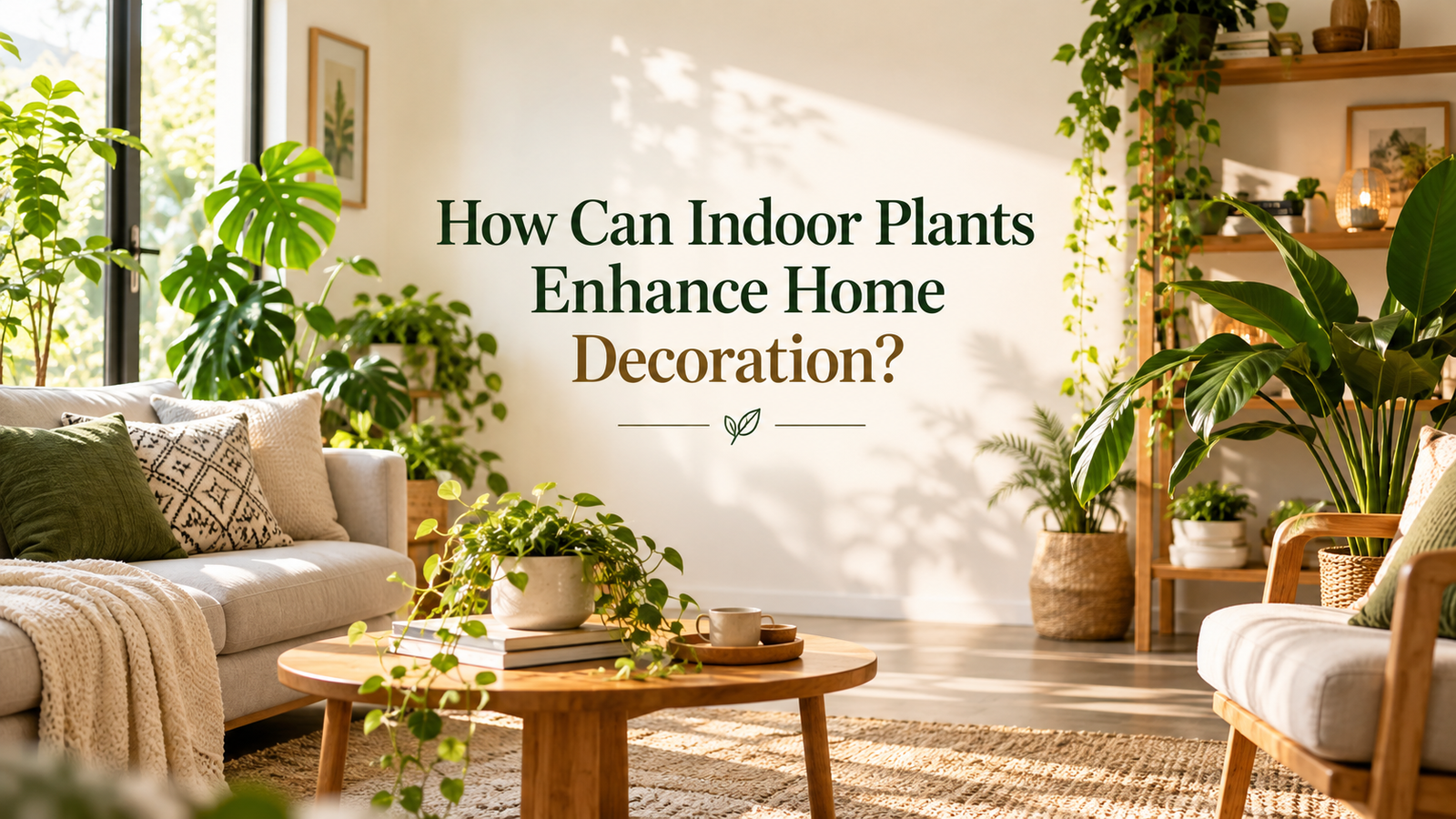
Indoor plants have become an important part of modern home decoration because they bring natural beauty, freshness, and a peaceful feeling into living spaces. A home decorated with plants often looks more welcoming and comfortable. Whether you live in a small apartment or a large house, indoor plants can improve the appearance of different rooms without requiring expensive decorative items.
Many people focus on furniture, wall colors, curtains, and lighting when decorating their homes. However, adding a few carefully selected plants can make a noticeable difference. Green leaves, interesting shapes, and attractive plant pots create a natural balance that makes indoor spaces feel more complete.
Understanding how indoor plants enhance home decoration can help homeowners create beautiful interiors while keeping their spaces practical and easy to maintain.
Why Are Indoor Plants Important in Home Decoration?
Indoor plants are more than simple decorative accessories. They introduce natural elements into rooms that may otherwise contain mostly artificial materials.
Modern homes often include painted walls, wooden furniture, glass surfaces, and metal accessories. Although these materials can create attractive interiors, adding greenery helps soften their appearance.
Plants also provide variety through their different leaf shapes, sizes, and colors. Some plants have broad green leaves, while others feature delicate patterns or long hanging vines.
These natural details can make a room feel more interesting without adding unnecessary decorations.
Another advantage is flexibility. Indoor plants work with almost every interior design style, including modern, traditional, minimalist, and contemporary decoration.
1. Indoor Plants Add Natural Beauty to Living Spaces
One of the biggest benefits of decorating with indoor plants is their natural appearance.
Unlike artificial decorations, living plants grow and change over time. Their leaves, branches, and colors introduce organic shapes that make rooms feel less rigid.
For example, a large indoor plant placed beside a sofa can create an attractive corner. A smaller plant on a coffee table can add beauty without occupying much space.
Plants with dark green leaves create a rich appearance, while plants with lighter leaves can make a room feel fresh and open.
The key is selecting plants that match the size and overall style of the room.
A carefully positioned plant often creates more visual interest than several unrelated decorative accessories.
2. Plants Make Living Rooms More Attractive
The living room is usually one of the most important areas of a home. It is where family members relax, welcome guests, and spend time together.
Indoor plants can improve living room decoration by filling empty spaces and creating natural focal points.
Large plants such as rubber plants, palms, and fiddle leaf figs can look beautiful near windows or beside furniture.
Smaller plants are suitable for shelves, side tables, and decorative cabinets.
For a balanced appearance, homeowners should avoid placing too many plants in one location.
Instead, they can distribute plants throughout the room according to available space and natural light.
A tall plant in one corner and two smaller plants on nearby furniture can create a simple and attractive arrangement.
This approach adds greenery while keeping the living room organized.
3. Indoor Plants Improve Bedroom Decoration
Bedrooms should feel comfortable, peaceful, and relaxing.
Adding indoor plants can support this atmosphere by introducing soft colors and natural textures.
Small plants placed on bedside tables, shelves, or window ledges can make a bedroom look more welcoming.
Snake plants, pothos, and peace lilies are popular decorative choices, although their suitability depends on lighting and maintenance needs.
For bedrooms with limited space, compact plants are usually better than large floor plants.
Homeowners should also consider how easily they can reach the plants for watering and cleaning.
It is important to avoid overcrowding sleeping areas with too many decorative items.
A few healthy plants can create a calm appearance while maintaining enough space for comfortable movement.
4. Plants Help Decorate Small Spaces
Small apartments and compact rooms can benefit from indoor plants when they are arranged carefully.
One common challenge in small homes is finding enough space for decoration without making rooms feel crowded.
Indoor plants offer several creative solutions.
Wall shelves can hold small potted plants without using floor space. Hanging planters can introduce greenery near windows or in suitable corners.
Trailing plants such as pothos can also look attractive when placed on high shelves.
Vertical arrangements are especially useful because they allow homeowners to decorate upward rather than occupy valuable floor space.
However, hanging plants should be installed securely and positioned away from walking areas.
For small rooms, choosing fewer plants with attractive shapes is often more effective than filling every available surface.
5. Indoor Plants Create Beautiful Color Combinations
Color plays an important role in interior decoration.
Indoor plants naturally introduce green tones that complement many common home colors.
For example, green plants look attractive against white, cream, beige, and light gray walls.
In rooms with dark furniture, plants can provide a refreshing contrast.
Some indoor plants also feature yellow, white, red, or purple patterns that introduce additional decorative colors.
Aglaonema and certain varieties of calathea are examples of plants with interesting foliage patterns.
Decorative pots can further strengthen the color combination.
White ceramic pots create a clean appearance, while terracotta containers introduce warm, earthy tones.
Selecting plant containers that complement existing furniture and curtains helps create a coordinated interior.
6. Plants Add Texture and Visual Interest
Texture is an important part of successful home decoration because it prevents rooms from looking flat or ordinary.
Indoor plants provide natural texture through their leaves, stems, and growth patterns.
Large leaves can create bold shapes, while smaller leaves introduce delicate details.
For example, a monstera plant has distinctive leaves that can become a beautiful decorative feature.
Ferns provide softer textures through their fine foliage.
Succulents introduce compact shapes that work well on desks and shelves.
Combining different plant textures can create attractive arrangements.
However, using too many contrasting plants in one place may make the decoration appear disorganized.
A simple combination of one large leafy plant and a few smaller plants often produces a balanced result.

7. Indoor Plants Can Make Empty Corners Look Better
Empty corners are common in living rooms, bedrooms, and hallways.
Although some empty space is necessary for comfortable movement, certain corners may look unfinished.
Indoor plants offer a practical way to decorate these areas.
A tall plant in an attractive pot can fill an unused corner without requiring additional furniture.
For example, a rubber plant placed near a bright window can create a natural focal point.
A decorative plant stand can also raise smaller plants to a suitable height.
Before selecting a plant for an empty corner, it is important to check the lighting conditions.
Some corners receive very little natural light, which may not support healthy plant growth.
Choosing plants according to the environment helps maintain both their appearance and their health.
8. Plants Complement Different Interior Design Styles
One reason indoor plants remain popular is their ability to complement different decoration styles.
In modern homes, plants with simple shapes and plain containers create a clean appearance.
Minimalist interiors benefit from a small number of carefully selected plants.
Traditional homes may look beautiful with decorative ceramic pots and leafy plants.
For Scandinavian interiors, greenery works especially well with light wood, neutral colors, and simple furniture.
Bohemian interiors often include hanging plants, natural baskets, and different foliage textures.
The important principle is maintaining consistency.
Plants should support the existing decorative theme rather than compete with it.
Selecting the right containers, plant sizes, and arrangements helps achieve this balance.
9. Indoor Plants Make Home Offices More Welcoming
Home offices and study areas can sometimes feel plain because they contain mostly desks, chairs, computers, and storage furniture.
Adding indoor plants can make these spaces more visually appealing.
A small plant beside a computer monitor can introduce natural color without interfering with work.
Shelves can also accommodate compact plants that require limited maintenance.
For larger home offices, a floor plant placed near a window can create an attractive background.
When choosing plants for workspaces, homeowners should consider available light and desk space.
Plants should never block screens, electrical outlets, or essential working areas.
A simple arrangement can improve the appearance of a home office while keeping it functional.
10. Indoor Plants Can Enhance Kitchen Decoration
Kitchens are another area where plants can add beauty and practical value.
Small pots of herbs such as mint, basil, and parsley can make kitchen windows look attractive when sufficient sunlight is available.
Herbs can also be useful for cooking when they are grown and maintained properly.
Other compact plants may be placed on open shelves or suitable countertops.
However, plants should remain away from direct heat, cooking flames, and areas where they could interfere with food preparation.
Humidity and temperature changes should also be considered.
The best kitchen plant arrangement is one that looks attractive while allowing everyday cooking activities to continue comfortably.
11. Decorative Plant Pots Improve Interior Appearance
Choosing suitable containers is just as important as selecting the plants themselves.
Plant pots contribute to the overall decoration through their colors, materials, shapes, and sizes.
Ceramic pots are popular because they offer a neat and elegant appearance.
Terracotta pots provide a natural, traditional look.
Woven baskets can add warmth and texture when used as decorative outer containers.
Metal planters may complement certain contemporary interiors.
It is important to select containers that suit the plant’s growing requirements.
Most houseplants need proper drainage to prevent excess water from collecting around their roots.
Decorative containers without drainage holes can be used as outer covers for suitable inner pots.
This approach allows homeowners to combine plant health with attractive decoration.
12. Indoor Plants Help Create a Relaxing Atmosphere
Many homeowners want their interiors to feel peaceful after a busy day.
Natural elements can contribute to this feeling by making rooms appear softer and more welcoming.
Greenery often creates a pleasant visual contrast with electronic devices, furniture, and painted surfaces.
A comfortable reading corner with a chair, soft lighting, and a nearby plant can become an inviting space.
Similarly, placing a few plants near a window can create a pleasant area for relaxing.
Some research suggests that exposure to indoor greenery may support feelings of relaxation, although the effects vary between people and environments.
Plants should therefore be considered one helpful decorative element rather than a guaranteed solution for stress.
Their main advantage is bringing visible natural beauty into everyday surroundings.
13. Choosing the Right Indoor Plants for Your Home
Not every indoor plant grows successfully in every home.
Before purchasing plants, homeowners should consider sunlight, room temperature, humidity, and available space.
Some plants prefer bright indirect sunlight, while others tolerate lower light levels.
Snake plants and ZZ plants are often considered practical choices for beginners because they can tolerate a range of indoor conditions.
Pothos is another popular option because of its attractive trailing growth.
However, even plants described as tolerant of low light still need appropriate lighting to remain healthy.
Homeowners with cats, dogs, or young children should also check plant safety before buying. Common decorative plants such as pothos and peace lilies can be harmful if chewed or swallowed.
Selecting suitable plants from the beginning can reduce maintenance problems and help preserve an attractive interior.
14. How to Maintain Indoor Plants for Better Decoration
Healthy plants contribute more to home decoration than neglected plants with damaged or dusty leaves.
Basic maintenance is necessary to keep indoor greenery looking beautiful.
Watering requirements depend on the plant species, container, temperature, and growing conditions.
Instead of watering every plant according to the same schedule, homeowners should check the soil and follow the needs of each plant.
Removing dead leaves can help maintain a tidy appearance.
Dust should also be gently cleaned from suitable leaves because accumulated dust can affect their appearance and interfere with light reaching the leaf surface.
Plants may occasionally need repotting when their roots outgrow their containers.
Regular observation helps identify problems such as yellow leaves, pest activity, or excessive moisture.
A simple care routine makes indoor plant decoration easier to manage.
15. Common Mistakes to Avoid When Decorating With Indoor Plants
Indoor plants can enhance home interiors, but poor placement and unsuitable plant choices may reduce their decorative value.
One common mistake is placing plants in rooms without considering sunlight.
Another is choosing oversized plants for small areas.
Excessive watering can also damage roots and cause plants to lose their attractive appearance.
Homeowners sometimes purchase several plants without planning where they will be placed.
This can create crowded shelves and reduce the visual balance of the room.
It is better to start with a small collection and gradually introduce additional plants.
Matching pot colors, maintaining clean leaves, and leaving enough open space can make arrangements look more organized.
Successful plant decoration depends on thoughtful selection rather than the number of plants displayed.
16. Affordable Ways to Decorate With Indoor Plants
Decorating with indoor plants does not always require a large budget.
Homeowners can begin with one or two affordable plants and gradually expand their collection.
Small plants can look attractive in simple terracotta pots or inexpensive decorative containers.
Certain plants, including pothos and spider plants, can also be propagated through suitable methods, allowing homeowners to grow additional plants from healthy parent plants.
Reusing existing shelves and plant stands may reduce decoration expenses.
Instead of purchasing many decorative accessories, a few well positioned plants can provide natural color and visual interest.
The goal should be creating a beautiful environment that remains affordable and manageable.
Conclusion
Indoor plants can enhance home decoration by introducing natural beauty, attractive colors, interesting textures, and a welcoming atmosphere. They can improve the appearance of living rooms, bedrooms, kitchens, home offices, and small apartments.
Their flexibility makes them suitable for different interior design styles and budgets. From a single plant on a side table to a larger arrangement near a window, greenery can make ordinary spaces feel more inviting.
However, successful indoor plant decoration requires thoughtful planning. Homeowners should select plants according to available light, room size, maintenance needs, and personal preferences.
Choosing attractive containers and maintaining healthy plants can further improve the overall appearance of a home.