

Damp walls are a common problem in residential buildings, especially in homes exposed to heavy rainfall, high humidity, poor ventilation, or plumbing leaks. Moisture inside walls can damage paint, weaken building materials, create unpleasant smells, and encourage mold growth. What begins as a small wet patch can gradually become a serious maintenance issue if the underlying cause is ignored.
Understanding what causes damp walls and how they can be prevented is important for every homeowner. A dry home is not only more comfortable but also easier to maintain. Proper construction methods, regular inspections, and simple maintenance habits can help protect walls from unnecessary moisture.
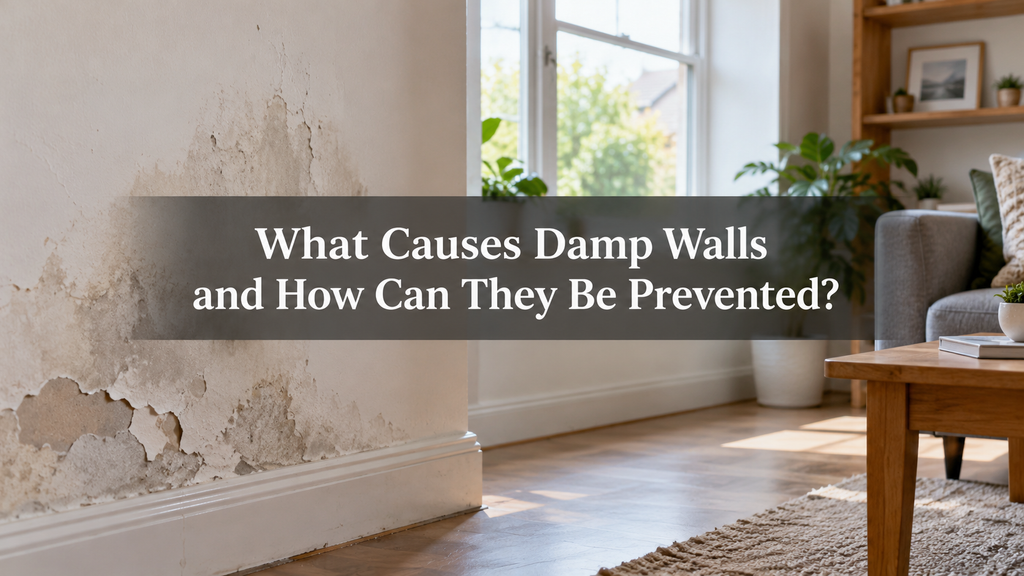
Dampness does not always appear in the same way. Some walls develop dark patches near the floor, while others show peeling paint, white powder, or moisture around windows. Each sign can point toward a different source of water.
By learning how moisture enters a building and how it moves through construction materials, homeowners can take practical steps to prevent damp walls and maintain a healthier indoor environment.
What Are Damp Walls?
Damp walls are walls that contain unwanted moisture within their surface or internal structure. This moisture may come from rainwater, underground water, plumbing systems, or humid indoor air.
Walls are usually constructed using materials such as bricks, concrete, plaster, and mortar. Many of these materials contain tiny pores that can absorb and transport water.
When moisture enters these pores and cannot dry properly, dampness may develop.
In some cases, the problem remains limited to the surface. In others, water penetrates deeper into the wall and affects the surrounding materials.
Damp walls often become noticeable through discoloration, damaged paint, or a persistent musty smell.
Identifying the source of moisture is the first step toward selecting an effective solution.
1. Rising Damp From the Ground
Rising damp is one possible cause of moisture in walls, particularly in older buildings or structures with damaged moisture barriers.
It occurs when water from the ground moves upward through porous building materials by capillary action.
Bricks and mortar can absorb moisture when they remain in contact with wet soil.
Buildings normally require a damp proof course to restrict this movement.
A damp proof course is a moisture resistant barrier installed within a wall, usually near the base.
If this barrier is missing, damaged, or bypassed by surrounding materials, moisture may travel upward.
Common signs include damp patches near floor level, deteriorating plaster, and salt deposits.
However, similar symptoms can also result from plumbing leaks or water entering through external ground levels.
A proper inspection is necessary before concluding that rising damp is responsible.
2. Rainwater Penetration Through Exterior Walls
Rainwater penetration is another major cause of damp walls.
During rainfall, water may enter through cracks, damaged mortar joints, defective window seals, or poorly maintained exterior surfaces.
Walls exposed to strong winds and frequent rain are particularly vulnerable.
Small openings may allow water to enter gradually without producing an obvious leak.
Over time, repeated exposure can cause internal wall surfaces to become damp.
The problem may become more noticeable after heavy rainfall.
Regular exterior maintenance is an important part of preventing rainwater penetration.
Homeowners should inspect external walls for visible cracks, loose plaster, and damaged joints.
Suitable repairs and correctly applied protective finishes can reduce the risk of moisture entering the building.
3. Poor Ventilation and Condensation
Condensation is one of the most frequent causes of moisture appearing on indoor walls.
It develops when warm, humid air comes into contact with a cooler surface.
The air near the surface cools, and some of its moisture turns into water droplets.
Bathrooms, kitchens, bedrooms, and laundry areas are common places for condensation.
Everyday activities such as cooking, bathing, and drying clothes indoors release moisture into the air.
When ventilation is insufficient, humidity can accumulate.
Cold walls and corners may then become damp, particularly during winter.
Improving airflow can significantly reduce condensation problems.
Opening windows when outdoor conditions are suitable, operating exhaust fans, and controlling indoor humidity can help maintain drier surfaces.
4. Leaking Water Pipes
Hidden plumbing leaks can cause persistent dampness inside walls.
Water supply pipes, drainage lines, and bathroom connections sometimes develop small leaks due to aging, corrosion, damaged fittings, or poor installation.
Even a minor leak can gradually saturate surrounding materials.
Unlike condensation, plumbing leaks may continue regardless of weather conditions.
A damp patch near a bathroom, kitchen, or water supply line may indicate a plumbing problem.
Other warning signs include unusual water consumption, peeling paint, and moisture that repeatedly returns after drying.
Homeowners should avoid covering such patches with new paint before investigating the source.
Repairing the leaking pipe is necessary to prevent further damage.
If the leak is concealed, a qualified plumber may need to use suitable detection methods to locate it.
5. Roof Leaks and Damaged Gutters
Roofing problems can also introduce moisture into walls.
Broken roof tiles, damaged waterproofing membranes, blocked gutters, and poorly sealed roof connections may allow rainwater to enter.
Water can travel along structural components before appearing on an internal wall.
This means the visible damp patch may not be directly below the original leak.
Blocked gutters can cause rainwater to overflow and repeatedly wet exterior walls.
Damaged downpipes may create similar problems.
Routine roof inspections and gutter cleaning help prevent moisture accumulation.
Any damaged flashing, waterproofing, or drainage components should be repaired promptly.
Maintaining the roof drainage system is particularly important before the rainy season.
6. Cracks in Walls and Building Materials
Small cracks can provide pathways for moisture to enter a building.
They may develop because of temperature changes, material shrinkage, building movement, or construction defects.
Not every crack creates a dampness problem, but openings exposed to rainfall deserve attention.
Water entering through cracks may damage plaster and decorative finishes.
It can also remain trapped within the wall when drying conditions are poor.
Minor nonstructural cracks can often be repaired with compatible filling materials.
However, large, widening, or repeated cracks may indicate structural movement.
Such cracks should be assessed by a qualified professional before repairs are attempted.
Simply applying paint over a crack may conceal the opening without preventing water entry.
7. Poor Drainage Around the House
The condition of the ground surrounding a home plays an important role in moisture prevention.
Poor surface drainage can allow water to accumulate near exterior walls and foundations.
When soil remains saturated for long periods, the risk of moisture penetration increases.
Water may collect because of blocked drains, unsuitable ground slopes, or leaking underground pipes.
Garden beds positioned directly against walls can also contribute to prolonged moisture exposure.
Homeowners should ensure that rainwater flows away from the building whenever possible.
Downpipes should discharge into suitable drainage systems rather than releasing large amounts of water beside foundations.
The surrounding ground should be maintained without obstructing existing damp proof barriers or ventilation openings.
8. Inadequate Waterproofing During Construction
Waterproofing is an important consideration when constructing bathrooms, roofs, basements, balconies, and other moisture exposed areas.
If waterproofing materials are missing or incorrectly installed, water may gradually penetrate surrounding surfaces.
Poorly sealed joints and unsuitable construction details can create weak points.
Bathrooms are particularly vulnerable because floors and walls experience repeated water exposure.
Grout and tiles alone should not be treated as a complete waterproofing system.
A properly installed waterproof membrane beneath the finished surface may be necessary, depending on the location and construction design.
Similarly, basements may require suitable drainage and waterproofing systems to manage groundwater.
Correct waterproofing during construction can reduce expensive repairs later.
How Can You Identify Damp Walls Early?
Early detection can prevent a small moisture problem from becoming more difficult to repair.
Homeowners should observe changes in wall appearance and indoor conditions.
Common warning signs include:
- Dark or discolored patches on walls.
- Peeling, bubbling, or flaking paint.
- Loose wallpaper or damaged plaster.
- White powdery salt deposits.
- A persistent musty smell.
- Visible mold growth.
- Wet marks around windows and corners.
- Dampness that increases after rainfall.
These signs provide useful clues, but they do not always identify the exact source.
For example, a damp patch near the floor could result from rising damp, a leaking pipe, or water entering from outside.
The timing and location of the moisture problem should be considered before beginning repairs.
A moisture meter may help assess affected areas, although its readings require careful interpretation.
How Can Damp Walls Be Prevented?
Preventing damp walls requires attention to both moisture sources and drying conditions.
A home should be designed and maintained to limit unnecessary water entry while allowing normal moisture to escape.
The following measures can help.
Improve Indoor Ventilation
Good ventilation reduces excess indoor humidity and helps prevent condensation.
Bathrooms and kitchens should have suitable exhaust systems that discharge moist air outdoors.
Windows can be opened when outdoor air conditions support ventilation.
Furniture should not be pressed tightly against cold exterior walls where condensation commonly develops.
Leaving a small gap may improve air circulation.
In highly humid rooms, a dehumidifier can help control moisture levels.
Indoor relative humidity is generally best maintained below 60%, with a range of about 30% to 50% often recommended when practical.
Repair Plumbing Problems Promptly
Plumbing systems should be inspected whenever unexplained dampness appears.
Loose fittings, damaged pipes, and leaking fixtures should be repaired before the surrounding surfaces are restored.
After the leak is stopped, wet materials need sufficient time to dry.
Severely damaged plaster, insulation, or other absorbent materials may require replacement.
Painting before the wall has dried can cause the new finish to fail.
Maintain Exterior Walls
Exterior wall maintenance helps reduce water penetration during rainfall.
Cracks, damaged mortar joints, and defective window seals should be repaired using appropriate materials.
Exterior coatings must be suitable for the wall construction and local climate.
Some walls require finishes that allow trapped moisture to dry outward.
Applying an impermeable coating to a damp wall without identifying the moisture source can worsen the problem.
Choosing compatible materials is therefore more important than simply selecting the strongest waterproof product.
Keep Roofs and Gutters in Good Condition
Roof drainage should be inspected regularly.
Leaves, dirt, and other debris can block gutters and prevent water from flowing correctly.
Damaged downpipes should be repaired, and roof waterproofing should be maintained according to the system requirements.
Checking roofs before periods of heavy rainfall can help identify potential problems early.
Improve Drainage Around Foundations
Surface water should be directed away from the house through properly designed drainage.
Standing water beside foundations should be investigated.
Where necessary, professional drainage improvements may be required.
Homeowners should also avoid raising external ground levels above existing moisture barriers.
Good landscaping and drainage planning can help reduce prolonged water exposure around the building.
How to Repair Walls Already Affected by Dampness
Repairing damp walls involves more than improving their appearance.
The underlying source must first be identified and corrected.
If water continues entering the wall, decorative repairs are unlikely to last.
Once the moisture source has been addressed, the affected area should be allowed to dry.
Drying time depends on the wall material, thickness, moisture level, and surrounding conditions.
Some surfaces may dry relatively quickly, while heavily saturated masonry can take considerably longer.
Damaged paint and loose plaster may need to be removed.
Where mold is present, appropriate precautions are necessary. Extensive contamination or moisture involving concealed building materials may require professional remediation.
After drying and necessary repairs, suitable primers, plaster, and paint can be applied.
The chosen finishing products should be compatible with the wall and its moisture characteristics.
A successful repair addresses both the source of dampness and the damage it has caused.
Common Mistakes Homeowners Should Avoid
One common mistake is painting directly over a damp patch.
Although fresh paint may temporarily hide discoloration, it cannot stop moisture entering the wall.
Another mistake is assuming that every damp area results from rising damp.
Condensation, leaking pipes, and rainwater penetration can produce similar symptoms.
Using strong waterproof coatings without investigating the cause may trap moisture inside certain wall systems.
Homeowners should also avoid ignoring minor leaks.
Small problems can gradually damage plaster, flooring, timber, and other building components.
Finally, relying entirely on household cleaning products to manage recurring mold does not solve the moisture problem.
The most effective approach is to identify the source, correct it, and maintain suitable drying conditions.
Why Preventing Damp Walls Matters
Preventing dampness offers several long term benefits.
Dry walls are easier to decorate and maintain. Paint and plaster generally perform better when they are applied to properly prepared, dry surfaces.
Moisture control also helps protect building materials from premature deterioration.
Excess dampness can encourage mold growth and reduce indoor comfort.
For people with allergies or respiratory sensitivities, damp indoor conditions may be especially troublesome.
Maintaining suitable ventilation, drainage, and waterproofing can therefore support both building durability and a more comfortable living environment.
Preventive maintenance is often less disruptive than repairing extensive moisture damage after it has developed.
Conclusion
Damp walls can develop for several reasons, including rising moisture, rainwater penetration, condensation, plumbing leaks, roof defects, and poor drainage.
Although the visible symptoms may appear similar, the correct treatment depends on identifying the actual source of water.
Regular inspections, proper ventilation, effective waterproofing, and timely maintenance are among the most practical ways to prevent damp walls.
Homeowners should pay attention to early warning signs such as peeling paint, discoloration, salt deposits, and persistent moisture.
Most importantly, dampness should never be treated as a purely decorative problem.
By addressing the underlying cause and allowing affected materials to dry correctly, homeowners can protect their walls, reduce repeated repairs, and maintain a comfortable home for years to come.


