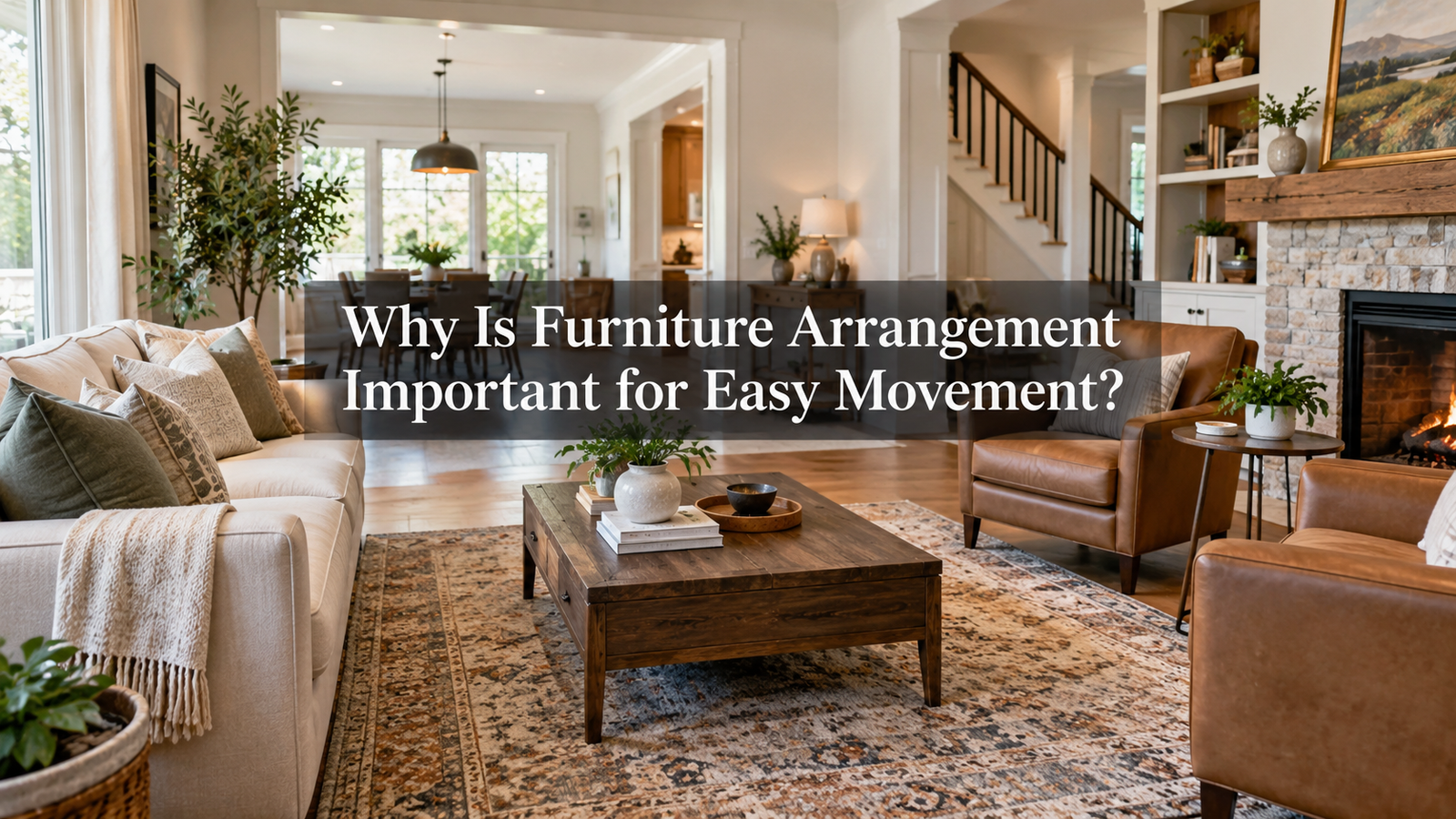
Furniture arrangement plays an important role in making a home comfortable, practical, and attractive. When furniture is placed in the right positions, people can move freely from one area to another without facing obstacles. A properly arranged room also feels more spacious, organized, and welcoming.
Many homeowners focus on the appearance of furniture when decorating their homes. They carefully select sofas, tables, chairs, cabinets, and other decorative items. However, the placement of these pieces is just as important as their design. Even beautiful furniture can make a room uncomfortable when it blocks walking paths or occupies unnecessary space.
Understanding the importance of furniture arrangement for easy movement helps homeowners create living spaces that support everyday activities. A thoughtful layout improves comfort, supports safety, and makes better use of available space.
Understanding the Importance of Furniture Arrangement
Furniture arrangement refers to the way different pieces of furniture are positioned within a room. It involves considering the size of the room, available floor space, doors, windows, and the activities performed in that area.
The main purpose of furniture arrangement is to create a balance between comfort, appearance, and functionality.
For example, a living room may contain a sofa, coffee table, television cabinet, and several chairs. If these items are placed too close together, walking through the room becomes difficult. On the other hand, arranging them with sufficient space between each piece creates a more comfortable environment.
A good furniture layout allows people to move naturally without constantly changing their direction or avoiding obstacles.
This simple improvement can make a noticeable difference in daily home life.
1. Furniture Arrangement Creates Clear Walking Paths
One of the biggest benefits of proper furniture arrangement is the creation of clear walking paths.
Walking paths are the areas people regularly use to move between doors, seating areas, and other parts of a room.
When these paths remain open, movement becomes easier and more comfortable.
For example, people should be able to enter a living room and reach the seating area without walking around several tables or chairs.
A practical approach is to identify the main walking routes before placing large furniture.
In many homes, a clear passage of approximately 90 centimeters is comfortable for frequently used walking areas. Smaller spaces may require adjustments depending on the room layout and household needs.
Keeping these routes free from unnecessary furniture helps create an organized environment.
It also reduces the chances of people accidentally hitting furniture while moving around.
2. Proper Furniture Placement Makes Small Rooms Feel Larger
Small rooms can become uncomfortable when furniture occupies too much floor space.
However, a thoughtful furniture arrangement can make even a compact room feel more open.
The key is to select furniture that matches the size of the room and position it carefully.
For example, placing a large sofa directly in the middle of a small living room may interrupt movement. Moving it closer to a suitable wall can create additional walking space.
Furniture with slim legs, compact dimensions, and simple designs can also help maintain a more open appearance.
Another useful idea is to avoid filling every corner with decorative items.
Leaving some floor space empty gives the room breathing space and makes it easier to move around.
A well arranged small room often feels more comfortable than a larger room filled with unnecessary furniture.
3. Furniture Arrangement Improves Everyday Comfort
Comfort is not only about having soft sofas or expensive chairs. It also depends on how easily people can use the room.
Imagine sitting on a sofa with a coffee table placed too close to your knees. Standing up or walking away becomes difficult.
Similarly, a dining table surrounded by tightly packed chairs may make sitting down uncomfortable.
Proper furniture arrangement prevents these problems.
There should be enough space around frequently used furniture for people to sit, stand, and move naturally.
In a dining room, allowing approximately 90 centimeters behind chairs is often helpful when space permits, particularly where people need to walk behind seated guests.
In bedrooms, leaving comfortable access around the bed makes everyday tasks easier.
These small planning decisions improve the overall experience of using a home.
4. Good Furniture Arrangement Supports Home Safety
Safety is another important reason to arrange furniture carefully.
Poor furniture placement can increase the risk of trips, falls, and accidental collisions.
For example, a small table placed in a narrow hallway may create an obstacle. Chairs positioned near doorways can also interrupt movement.
Homes with children or older family members require particular attention to these details.
Clear walking areas allow people to move with greater confidence.
Furniture should not block entrances, exits, or access to important household equipment.
Sharp furniture corners should also be considered in places where people frequently walk.
Stable furniture, secure storage cabinets, and properly positioned rugs can further improve safety.
A safe furniture layout is especially important during nighttime movement when visibility may be limited.
5. Furniture Placement Improves Room Functionality
Every room serves a particular purpose, and its furniture arrangement should support that purpose.
A living room is generally used for relaxing, watching television, and spending time with family.
A bedroom is mainly intended for sleeping, dressing, and resting.
A dining room provides a space for meals and conversations.
When furniture is arranged according to these activities, the room becomes more functional.
For example, a study desk should have sufficient space for a chair to move backward comfortably.
A bedroom wardrobe should have enough clearance for its doors or drawers to open completely.
Similarly, a living room seating arrangement should encourage conversation without blocking movement.
Thinking about how people use each room makes furniture placement more practical.
6. Furniture Arrangement Helps Maintain an Organized Home
A room with poorly positioned furniture may appear cluttered even when it contains relatively few items.
Proper furniture arrangement creates visual order by giving each item a clear purpose and position.
For example, placing a side table beside a sofa creates a convenient location for books, lamps, or other frequently used objects.
Positioning storage cabinets near relevant activity areas also makes household organization easier.
When furniture supports daily routines, people are less likely to leave items scattered across the room.
An organized layout also makes cleaning more convenient.
Clear spaces around furniture allow easier access for sweeping, vacuuming, and mopping.
As a result, furniture arrangement contributes to both cleanliness and everyday convenience.
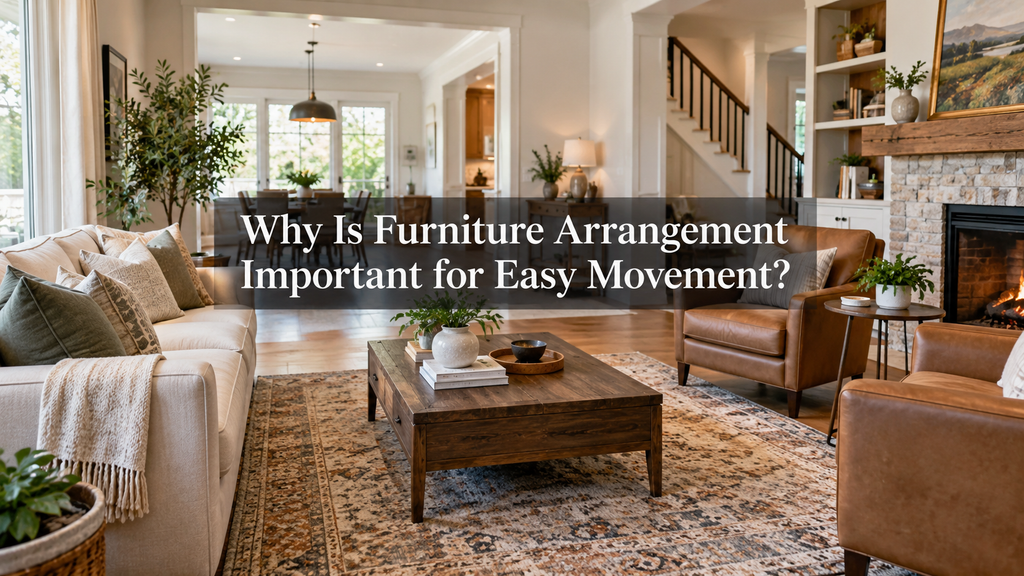
7. A Balanced Furniture Layout Improves Interior Design
Furniture arrangement has a strong influence on the appearance of a room.
Even attractive furniture may look uncomfortable when placed without considering balance and proportion.
A balanced layout distributes furniture in a way that feels natural and visually pleasing.
For example, placing every large piece of furniture along one side of a room may make the space appear uneven.
Instead, homeowners can create balance by considering furniture size, height, and visual weight.
A large sofa may be balanced with suitable chairs, a floor lamp, or a storage unit.
However, balance does not mean placing identical objects on opposite sides.
The goal is to create a comfortable relationship between furniture and open space.
A well balanced room feels organized without appearing crowded.
8. Proper Furniture Arrangement Makes Family Activities Easier
Family members often use the same room for different activities throughout the day.
A living room may be used for watching television, talking, reading, or spending time with children.
Furniture arrangement should allow these activities to happen without unnecessary restrictions.
For example, leaving an open area in the center of a family room can provide space for children to play.
Placing seating near enough for comfortable conversation helps family members interact more naturally.
A flexible layout can also accommodate guests without requiring major furniture adjustments.
Homes that support different activities are generally more convenient for everyday living.
The arrangement should reflect the actual habits and needs of the household rather than focusing only on decoration.
9. Furniture Placement Supports Better Natural Lighting
Natural light can make a room appear brighter, fresher, and more welcoming.
However, furniture placement can affect how easily daylight enters and spreads throughout a space.
Large cabinets or tall furniture positioned directly in front of windows may block valuable sunlight.
This can make a room feel darker and more enclosed.
Keeping window areas relatively open allows daylight to reach more parts of the room.
Low furniture may be suitable near windows when it does not interfere with opening them.
Mirrors can also be positioned carefully to reflect daylight into darker areas.
A thoughtful arrangement supports natural lighting while maintaining comfortable walking space.
This combination can improve both the appearance and usability of a room.
10. Furniture Arrangement Makes Cleaning and Maintenance Easier
Cleaning becomes more difficult when furniture is tightly packed.
Narrow gaps between sofas, tables, and cabinets can collect dust and make regular cleaning inconvenient.
A practical furniture layout provides reasonable access to frequently cleaned areas.
For example, leaving enough space around a dining table makes it easier to sweep or mop underneath.
Furniture that can be moved safely also helps when deeper cleaning is required.
In bedrooms, properly positioned bedside tables and wardrobes prevent unnecessary obstacles during cleaning.
Homeowners should also consider access to electrical outlets, windows, and maintenance areas.
A room that is easy to clean is often easier to maintain over time.
11. Choosing the Right Furniture Size Is Essential
Furniture size has a direct effect on movement and available floor space.
A sofa that looks attractive in a showroom may be too large for a small living room.
Similarly, an oversized dining table can make an ordinary dining area feel crowded.
Before purchasing furniture, homeowners should measure the room carefully.
It is useful to record the length and width of the room, along with the positions of doors, windows, and fixed features.
The dimensions of proposed furniture should then be compared with the available space.
A simple floor plan can help visualize the arrangement before moving or purchasing furniture.
Choosing suitable sizes reduces the need for later adjustments and helps maintain clear walking paths.
12. Furniture Arrangement Should Consider Doors and Windows
Doors and windows are important elements in furniture planning.
Furniture should not prevent doors from opening fully or make windows difficult to access.
For example, placing a heavy cabinet directly behind a bedroom door may restrict movement.
A sofa placed too close to a balcony entrance can create similar problems.
Before arranging furniture, homeowners should identify the areas needed for opening doors and reaching windows.
These areas should remain accessible.
It is also important to consider wardrobe doors, drawers, and storage compartments.
Furniture that works well when closed may create problems when opened.
Planning for these movements helps prevent everyday inconvenience.
13. Flexible Furniture Can Improve Movement
Flexible furniture is particularly useful in homes where space is limited.
Items that serve more than one purpose can reduce the need for additional furniture.
For example, a storage ottoman can provide seating and storage without requiring a separate cabinet.
A folding dining table can create additional floor space when it is not being used.
Nesting tables can be separated when needed and stored together afterward.
Furniture with built in storage can also reduce clutter.
However, multifunctional furniture should still be chosen according to room dimensions and actual household requirements.
The goal is to make movement easier, not simply to add more features.
14. Common Furniture Arrangement Mistakes to Avoid
Several common mistakes can reduce comfort and make movement difficult.
One mistake is placing too many furniture pieces in a single room.
Another is selecting furniture without measuring the available space.
Blocking doorways, ignoring natural walking routes, and placing tables too close to seating areas can also create problems.
Some homeowners push every piece of furniture against the walls, assuming this always creates more usable space.
Although this approach works in certain rooms, it is not suitable for every layout.
In larger living rooms, carefully positioned seating groups can create better conversation areas while preserving clear routes around them.
Furniture arrangement should always be based on room size, practical needs, and ease of movement.
15. How to Plan Furniture Arrangement for Easy Movement
Planning a practical furniture layout does not require expensive equipment or professional design software.
Start by observing how people normally move through the room.
Identify the most frequently used doors, seating areas, and storage spaces.
Next, measure the room and determine where large furniture pieces can fit comfortably.
Place essential furniture first, such as the bed in a bedroom or the sofa in a living room.
Then position smaller items while keeping walking paths open.
After arranging the furniture, walk through the room several times.
Check whether doors open properly and whether chairs can be moved without difficulty.
Consider how the space works when more than one person is using it.
Small adjustments can often improve movement significantly.
The best arrangement is one that feels comfortable during ordinary daily activities.
Frequently Asked Questions
Why is furniture arrangement important in interior design?
Furniture arrangement is important because it affects comfort, movement, safety, and the appearance of a room. Proper placement allows people to use the space conveniently while maintaining an attractive interior.
How much space should be left between furniture?
The required distance depends on furniture type and room size. Main walking paths often benefit from approximately 90 centimeters of clearance, while seating arrangements may use smaller gaps where appropriate.
Can furniture arrangement make a small room look bigger?
Yes. Choosing correctly sized furniture, keeping walking paths clear, and avoiding unnecessary items can make a small room feel more open and organized.
What is the biggest mistake in furniture arrangement?
One of the most common mistakes is placing furniture without considering movement. Blocking doorways or leaving insufficient space around frequently used items can make a room uncomfortable.
How often should furniture be rearranged?
There is no fixed schedule. Furniture should be reconsidered when household needs change, movement becomes difficult, or the existing arrangement no longer supports daily activities.
Conclusion
Furniture arrangement is an essential part of creating a comfortable and functional home. It influences how people move, interact, relax, and perform everyday activities.
A carefully planned furniture layout creates clear walking paths, improves safety, supports natural lighting, and makes rooms easier to clean and maintain.
Homeowners do not need expensive furniture or large rooms to achieve these benefits. Simple decisions, such as selecting appropriately sized pieces, maintaining open spaces, and considering regular movement patterns, can make a meaningful difference.
The most successful furniture arrangements combine beauty with practicality. When every piece has a suitable position and people can move freely, the home becomes more comfortable, organized, and welcoming.