
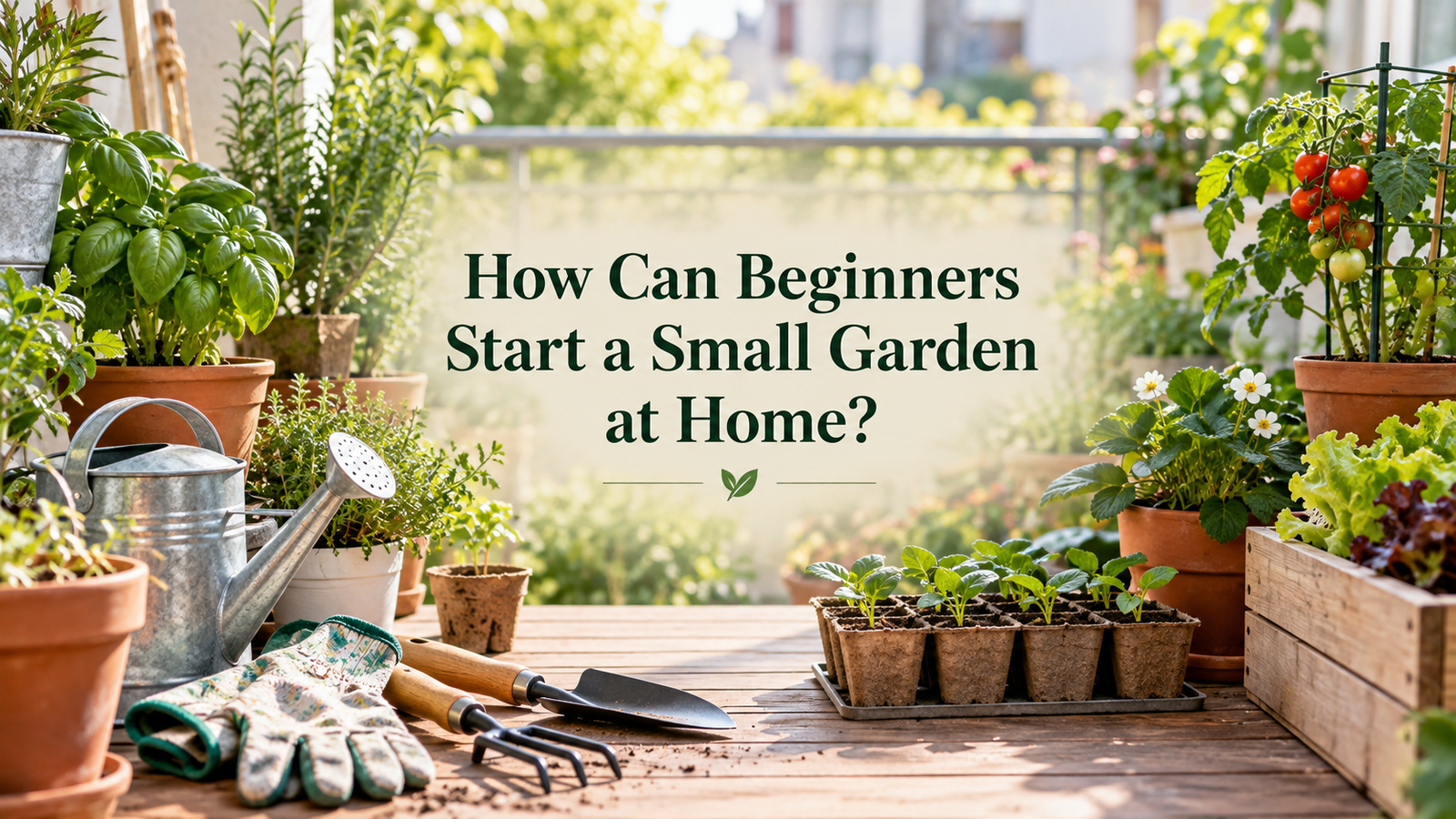
Starting a small garden at home is one of the simplest ways to bring nature into everyday life. A home garden adds beauty, creates a peaceful environment, and provides an opportunity to grow fresh vegetables, herbs, and flowers. Many people believe gardening requires a large outdoor space, expensive equipment, or professional knowledge. However, beginners can successfully start a small garden with limited space, basic tools, and proper planning.
Home gardening is also a practical activity that encourages patience, creativity, and responsibility. Watching a seed develop into a healthy plant can be a rewarding experience. Whether you have a spacious backyard, a small balcony, a rooftop, or a sunny window, there are several ways to create a beautiful garden.
The most important part of gardening for beginners is understanding the basic needs of plants. Sunlight, water, soil, air, and regular care all contribute to healthy growth. By starting with a few easy plants and learning gradually, anyone can develop useful gardening skills.
This guide explains how beginners can start a small garden at home, choose suitable plants, prepare the soil, and maintain a healthy growing space.
1. Choose the Right Location for Your Home Garden
The first step in starting a small garden at home is selecting a suitable location. Plants need a comfortable environment where they can receive enough sunlight, water, and fresh air.
Before choosing a gardening area, observe how sunlight moves around your home throughout the day. Many vegetables and flowering plants grow best with approximately six to eight hours of direct sunlight daily. Some herbs and leafy vegetables can grow with less sunlight.
A backyard is a good option because it usually provides space for different plants. However, balconies, patios, rooftops, and windowsills can also support small gardens.
Choose a location that is easy to reach. If your garden is close to your daily activities, checking plants and watering them becomes more convenient.
Proper drainage is another important consideration. Avoid places where water remains standing after rainfall or watering because excessive moisture can damage plant roots.
2. Start With a Small and Manageable Garden
One common mistake beginners make is planting too many things at once. Although a large garden may look attractive, managing numerous plants requires time and experience.
Starting with a small garden allows beginners to understand plant growth without feeling overwhelmed.
For example, you can begin with four or five containers containing different plants. Another option is to prepare a small garden bed in your backyard.
A manageable garden makes it easier to observe changes in leaves, soil moisture, and overall plant health.
As your confidence improves, you can gradually introduce additional plants.
Remember that successful home gardening depends more on regular attention than the number of plants you grow.
3. Select Easy Plants for Beginners
Choosing suitable plants is an important part of successful home gardening. Some plants require special growing conditions, while others are relatively easy to maintain.
Beginners should select plants that match their local climate, available sunlight, and gardening space.
Several plants are suitable for a small home garden.
Mint
Mint is a popular herb that grows well in containers. It prefers consistently moist soil with good drainage and can grow in partial sunlight.
Growing mint in a separate pot is recommended because its spreading roots can quickly occupy nearby planting areas.
Coriander
Coriander is a useful kitchen herb that grows best during cooler weather. It can be planted in containers or small garden beds.
Regular watering and suitable sunlight help support healthy growth.
Spinach
Spinach is a leafy vegetable that prefers cooler temperatures. It can grow successfully in containers with sufficient depth.
Fresh spinach leaves can be harvested when they reach a suitable size.
Tomatoes
Tomatoes are popular among home gardeners because they can produce useful harvests in relatively small spaces.
They generally need plenty of sunlight, suitable support, and consistent watering.
Compact tomato varieties are particularly useful for container gardening.
Marigolds
Marigolds are colorful flowering plants that can improve the appearance of a home garden.
They usually grow well in sunny locations and are relatively easy to maintain.
Starting with simple plants helps beginners learn essential gardening techniques before moving toward more demanding varieties.
4. Understand the Importance of Good Soil
Healthy soil is the foundation of a successful garden. It provides nutrients, holds moisture, and supports the development of plant roots.
Ordinary soil collected from the ground is not always suitable for container gardening. It may become compacted, preventing water and air from moving properly around the roots.
For container plants, a quality potting mix is usually a better choice.
A suitable growing medium should provide good drainage while retaining enough moisture for plant growth.
Organic compost can improve soil structure and supply nutrients gradually.
Before planting, check that the soil is loose enough for roots to develop comfortably.
Avoid using soil that contains visible waste, harmful chemicals, or unknown contaminants.
Good soil preparation reduces many common gardening problems and creates better conditions for healthy plants.
5. Choose Suitable Pots and Containers
Containers are extremely useful for beginners who have limited gardening space.
You can grow herbs, vegetables, flowers, and decorative plants in pots placed on balconies, patios, or other suitable locations.
When selecting containers, consider the mature size of each plant.
Small herbs may grow comfortably in compact pots, while tomatoes and larger vegetables require deeper containers with more room for their roots.
Every container should have drainage holes at the bottom. These openings allow excess water to escape and help prevent waterlogging.
Plastic pots are lightweight and easy to move. Clay pots allow moisture to evaporate through their walls, although they may require more frequent watering.
Reused containers can also work if they are clean, made from suitable materials, and provide adequate drainage.
Matching the container size to the plant helps encourage healthy root development.
6. Learn How to Plant Seeds Correctly
Growing plants from seeds is an affordable and interesting way to begin home gardening.
Start by purchasing good quality seeds from a reliable supplier. Check the instructions on the seed packet because different plants have different planting requirements.
Fill your container with prepared potting mix and gently level the surface.
Create small planting holes according to the recommended seed depth.
Place the seeds in the holes and cover them lightly with soil.
After planting, water gently to avoid washing the seeds away.
Keep the soil appropriately moist while waiting for germination. Some seeds sprout within several days, while others take longer.
Once seedlings appear, make sure they receive suitable light.
If too many seedlings grow close together, remove weaker ones carefully so the remaining plants have enough space.
Proper planting techniques can improve germination and support healthy early growth.
7. Water Your Plants Carefully
Watering is one of the most important gardening activities. Both excessive and insufficient watering can affect plant health.
Beginners sometimes assume that watering plants every day is necessary. However, watering frequency depends on the plant, weather conditions, soil type, and container size.
The best approach is to check soil moisture before adding water.
Insert your finger about an inch into the soil. If the upper layer feels dry, watering may be necessary, depending on the plant.
Water slowly until the root area receives sufficient moisture. In containers, some water should normally drain through the bottom holes.
Avoid allowing pots to remain in standing water for long periods.
During hot weather, containers may dry more quickly. In cooler conditions, plants often need less frequent watering.
Learning the watering requirements of individual plants helps prevent common gardening problems.
8. Provide Enough Sunlight
Sunlight allows plants to produce energy through photosynthesis. Without sufficient light, plants may become weak, develop pale leaves, or grow slowly.
Different plants require different amounts of sunlight.
Tomatoes and many flowering plants generally prefer sunny locations. Mint and some leafy vegetables can tolerate partial shade.
Before placing your containers, observe the sunlight available in your chosen area.
If plants receive insufficient light, consider moving them to a brighter location.
In extremely hot climates, some plants benefit from protection against intense afternoon sunlight.
The goal is to provide light conditions that match the needs of each plant.
Understanding sunlight requirements makes it easier to choose appropriate gardening locations and avoid unnecessary plant stress.
9. Use Compost and Fertilizer Responsibly
Plants absorb nutrients from the growing medium to support their development. Over time, nutrients can become depleted, especially in containers.
Compost is a useful soil improvement material made from decomposed organic matter.
Well prepared compost can improve soil structure and gradually provide nutrients.
Beginners can purchase finished compost or learn to make it using suitable garden and kitchen waste.
Common composting materials include vegetable scraps, dry leaves, and untreated plant waste.
Avoid adding meat, oily food, or contaminated materials to a basic home compost system.
Fertilizer can also support plant growth when used correctly.
Always follow the instructions provided with the fertilizer product because excessive application may damage roots or affect plant health.
A balanced approach to feeding plants is more effective than adding large quantities of fertilizer.
10. Maintain Proper Spacing Between Plants
Plant spacing is often overlooked by beginners.
When plants grow too close together, they compete for sunlight, water, nutrients, and space.
Crowded plants may also have reduced airflow, which can encourage certain diseases under suitable conditions.
Before planting seeds or seedlings, read the recommended spacing instructions.
Consider the mature size of each plant rather than its current appearance.
For example, a small tomato seedling may eventually grow into a large plant requiring considerable space and support.
Proper spacing allows leaves and roots to develop more comfortably.
It also makes watering, pruning, and harvesting easier.
A well arranged garden usually looks more organized and is easier to maintain.
11. Protect Your Garden From Common Pests
Small home gardens may attract insects and other pests.
A few insects do not necessarily indicate a serious problem. Many insects are harmless, while some help with pollination or control other pests.
Beginners should inspect their plants regularly for damaged leaves, unusual spots, or visible insects.
If pests appear, identify them before selecting a treatment.
Simple gardening practices can help reduce problems.
Remove dead leaves, maintain suitable spacing, and avoid excessive watering.
For minor infestations, physically removing pests may be sufficient.
If additional treatment becomes necessary, choose a product appropriate for the plant and pest, and follow its safety instructions.
Avoid applying random household chemicals because they may harm plants, beneficial insects, or people.
Regular observation is one of the most effective ways to identify problems before they become serious.
12. Create a Simple Gardening Routine
A successful small garden requires consistency rather than complicated techniques.
Beginners can develop a simple routine that includes checking soil moisture, observing leaves, and removing unwanted weeds.
Spend a few minutes each day looking at your plants.
Notice whether new leaves are appearing, flowers are developing, or the soil is drying unusually quickly.
Remove damaged plant material when necessary and keep containers clean.
Check whether climbing or tall plants need support.
Gardening activities may change with the season, so adjust your routine according to weather conditions.
Keeping a small notebook can also be helpful. Record planting dates, watering patterns, and plant performance.
These observations gradually improve your understanding of home gardening.
13. Make the Most of Limited Gardening Space
A small outdoor area does not have to limit your gardening opportunities.
Creative arrangements can help you grow several plants without occupying too much floor space.
Vertical gardening is one practical option. Wall mounted planters, shelves, and suitable hanging containers can provide additional growing areas.
However, shelves and wall fixtures should be strong enough to support the weight of wet soil and containers.
Railing planters can also be useful on balconies when securely installed.
You can group plants with similar sunlight and watering requirements to simplify maintenance.
Compact plant varieties are particularly suitable for smaller spaces.
Avoid overcrowding the area because plants still require airflow and room for growth.
With thoughtful planning, even a small balcony can become an attractive green space.
14. Understand Seasonal Gardening
Weather conditions influence how plants grow.
Some vegetables prefer cool temperatures, while others grow best during warmer months.
For example, spinach and coriander generally perform better in cooler conditions, while tomatoes and okra are commonly grown during warmer seasons.
The ideal planting time varies depending on your location and local climate.
Beginners should check seasonal planting recommendations for their area before purchasing seeds.
During extremely hot weather, plants may require more frequent moisture checks and protection from intense sunlight.
In colder conditions, certain plants may need shelter from frost.
Choosing plants according to the season reduces stress and can improve growing results.
Seasonal gardening also gives beginners opportunities to experiment with different vegetables and flowers throughout the year.
15. Avoid Common Gardening Mistakes
Learning to garden involves observation and occasional mistakes.
One common mistake is overwatering. Excess moisture can prevent roots from receiving enough oxygen and may encourage root diseases.
Another problem is selecting plants without considering sunlight requirements.
Using containers without drainage holes can also lead to unhealthy growing conditions.
Some beginners add too much fertilizer, expecting faster results. However, excessive nutrients can damage plants instead of helping them.
Planting too many seeds in a small container is another frequent issue.
Avoid changing several growing conditions at once when a plant looks unhealthy. First identify the likely cause.
Successful gardening comes from understanding plant needs and making gradual improvements.
16. Enjoy the Benefits of Growing a Home Garden
A small home garden offers benefits beyond decoration.
Growing plants provides an enjoyable outdoor activity and encourages people to spend time caring for their surroundings.
Herbs and vegetables grown at home can also provide convenient access to fresh ingredients when plants are healthy and productive.
Gardening may encourage children to learn about nature, seasons, and plant development.
Flowers and decorative plants can make balconies, entrances, and patios more attractive.
Many people also find gardening relaxing because it provides a break from busy daily routines.
A home garden does not need to produce large harvests to be valuable.
Even a few healthy plants can create a pleasant environment and bring satisfaction through regular care.
Frequently Asked Questions About Starting a Small Garden at Home
Can beginners start a garden without a backyard?
Yes. Beginners can grow many plants in containers on balconies, patios, rooftops, and sunny windowsills. The main requirements are suitable light, drainage, and enough space for plant growth.
What are the easiest plants for a beginner’s home garden?
Mint, marigolds, coriander, spinach, and compact tomato varieties are useful starting options when local growing conditions are suitable.
How much money is needed to start a small garden?
A small garden can begin with a modest budget. Basic expenses may include seeds, a few containers, potting mix, and simple gardening tools. Reusing suitable containers can reduce costs.
How often should home garden plants be watered?
Watering frequency depends on soil moisture, plant type, container size, and weather. Check the soil regularly rather than following the same watering schedule for every plant.
Can vegetables grow successfully in pots?
Yes. Many vegetables grow well in containers when provided with sufficient sunlight, suitable pot sizes, nutritious growing media, and regular care.
Conclusion
Starting a small garden at home is a practical and enjoyable activity that beginners can learn through simple steps. You do not need expensive equipment, a large backyard, or professional experience to grow healthy plants.
Begin by choosing a suitable location, selecting easy plants, and preparing good quality soil. Use containers with proper drainage, provide appropriate sunlight, and learn how to water plants according to their individual needs.
Regular observation, seasonal planning, and basic maintenance will help you develop confidence and avoid common gardening problems.
The most important lesson for beginners is to start small and remain patient. Every plant offers an opportunity to understand nature and improve gardening skills.
With consistent care and thoughtful planning, a small home garden can gradually become a beautiful, productive, and welcoming part of your home.


