
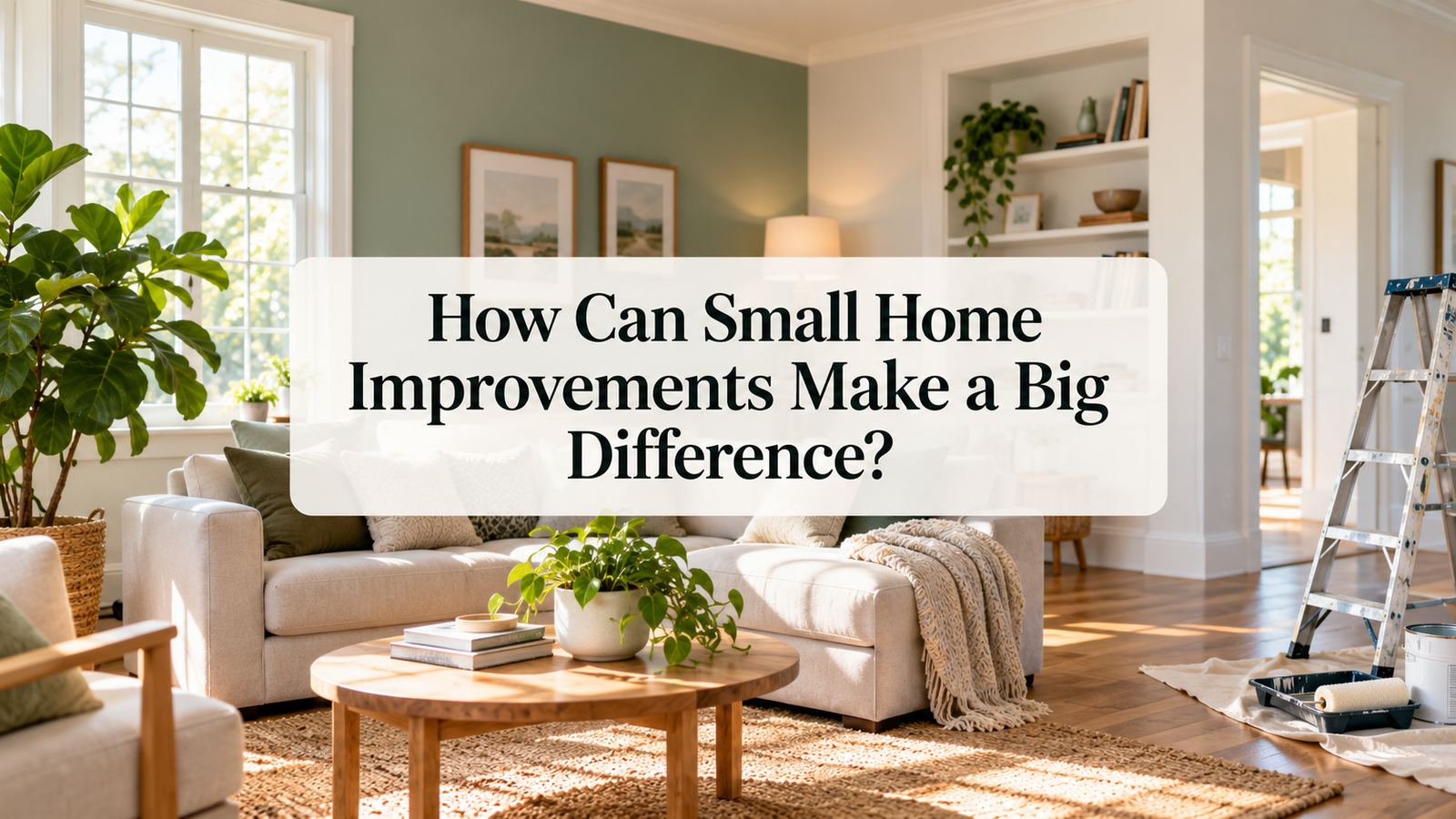
Home improvement does not always require expensive renovations, professional designers, or major construction work. Sometimes, the smallest changes can make a home more comfortable, attractive, and practical. A fresh coat of paint, improved lighting, better storage, or a simple furniture rearrangement can completely change how a room looks and feels.
Many homeowners believe that improving their living space requires a large budget. However, small home improvements often provide noticeable results without placing unnecessary pressure on household finances. These changes can improve daily comfort, make household activities easier, and help maintain the condition of a property.
When I look at different home improvement ideas, one thing becomes clear. A beautiful home is not necessarily the one with the most expensive furniture or decorations. It is often the home where every space has been planned carefully and maintained properly.
Understanding how small home improvements make a big difference can help homeowners choose practical changes that offer lasting benefits.
1. Fresh Paint Can Completely Change a Room
Painting is one of the simplest and most effective ways to improve a home’s appearance. Walls cover a large portion of every room, which means their color and condition strongly influence the overall atmosphere.
Over time, walls may develop stains, scratches, and faded areas. Even when furniture and decorations remain in good condition, damaged walls can make a room appear old or neglected.
Applying a fresh coat of paint can instantly create a cleaner and more welcoming environment.
Light colors such as cream, soft white, and pale gray can make smaller rooms feel brighter and more spacious. Warm neutral shades can create a relaxing atmosphere, while deeper colors can add character to selected areas.
Homeowners do not need to repaint the entire house. Painting one bedroom, refreshing a hallway, or creating a simple accent wall can produce noticeable improvements.
Choosing washable paint can also make future cleaning easier, especially in homes with children.
2. Better Lighting Improves Comfort and Appearance
Lighting has a major influence on how people experience their homes. A beautifully decorated room may still feel uncomfortable if the lighting is too dim or poorly positioned.
Small lighting improvements can make everyday activities easier while creating a more pleasant atmosphere.
For example, replacing outdated bulbs with energy efficient LED bulbs can reduce electricity consumption while providing suitable brightness.
Different rooms also benefit from different lighting arrangements.
A kitchen needs clear lighting for food preparation. Bedrooms often feel more relaxing with warm, gentle light. Living rooms may benefit from a combination of ceiling lights and table lamps.
Homeowners can also improve natural lighting by keeping windows clean and choosing curtains that allow sufficient daylight to enter.
Adding a small lamp beside a reading chair or installing lighting beneath kitchen cabinets can improve functionality without requiring major electrical changes.
Proper lighting makes rooms more useful, welcoming, and visually balanced.
3. Rearranging Furniture Creates More Space
Buying new furniture is not always necessary when improving a room. Sometimes, changing the position of existing furniture can provide surprisingly good results.
Poor furniture placement may block walking areas, reduce available space, or prevent natural light from reaching different corners.
A thoughtful arrangement can make the same room feel larger and more comfortable.
For instance, moving a sofa away from a doorway can improve movement through a living room. Positioning a study table near a window may provide better daylight for reading and working.
In smaller bedrooms, placing large furniture against suitable walls can create more usable floor space.
The main goal should be to support daily activities without making the room feel crowded.
Before purchasing additional furniture, homeowners should examine whether their existing pieces can be arranged more efficiently.
This simple approach can improve comfort without increasing expenses.
4. Smart Storage Solutions Reduce Clutter
Clutter can make even a beautiful home feel disorganized. Shoes near entrances, kitchen items covering countertops, and unused objects filling shelves can reduce the comfort of living spaces.
Creating better storage is one of the most useful small home improvements.
Wall shelves, drawer organizers, storage baskets, and furniture with hidden compartments can help keep belongings in their proper places.
For example, installing a few shelves in the kitchen can provide additional space for jars and cooking accessories.
A shoe rack near the entrance can prevent footwear from spreading across the floor.
Storage boxes beneath beds can hold seasonal clothing and other items that are not needed regularly.
However, good storage does not mean keeping everything. Removing unnecessary belongings is equally important.
When every item has a suitable place, cleaning becomes easier and rooms feel more spacious.
A well organized home also saves time because household members can find essential items more quickly.
5. Updating Door Handles and Cabinet Hardware
Small decorative details often influence the overall appearance of a home more than people expect.
Door handles, cabinet knobs, drawer pulls, and other fittings may become scratched, loose, or outdated after years of use.
Replacing these items can make furniture and interior doors look fresher without replacing entire cabinets or doors.
For example, installing simple modern handles on old kitchen cabinets can give them a more updated appearance.
Matching hardware finishes can also create a consistent look throughout a room.
Homeowners may choose finishes such as brushed steel, matte black, or warm brass depending on their interior style.
Before purchasing replacement hardware, it is important to check measurements and compatibility.
A small investment in good quality fittings can improve both appearance and daily convenience.
6. Improving Kitchen Organization Makes Daily Tasks Easier
The kitchen is one of the busiest areas in most homes. Cooking, washing, preparing meals, and storing groceries all require suitable working space.
Even minor improvements can make kitchen activities easier.
Organizing frequently used utensils near cooking areas can reduce unnecessary movement. Drawer dividers can keep spoons, knives, and smaller accessories separated.
Adding hooks for towels or cooking tools can free up valuable countertop space.
Homeowners may also improve their kitchen by repairing leaking taps, cleaning cabinet surfaces, or replacing damaged shelf liners.
Good lighting above preparation areas can make cooking more convenient.
These changes may appear small individually, but together they create a cleaner and more functional kitchen.
An organized kitchen can also encourage better cleaning habits and make meal preparation less stressful.
7. Bathroom Improvements Increase Everyday Comfort
Bathrooms do not always need complete remodeling to become more attractive and practical.
Simple maintenance and carefully selected accessories can improve their appearance significantly.
Replacing an old shower curtain, installing a new mirror, or adding suitable storage shelves can make a bathroom feel more organized.
Cleaning grout lines and repairing damaged sealant can also create a fresher appearance.
A leaking faucet should be repaired promptly because even a small leak can waste water and contribute to moisture problems.
Proper ventilation is another important improvement. Bathrooms experience regular moisture, which can encourage mold growth when ventilation is inadequate.
Using an exhaust fan or opening a suitable window after bathing can help remove humid air.
Small bathroom improvements can support cleanliness, comfort, and better maintenance over time.
8. Indoor Plants Bring Natural Beauty
Indoor plants are a simple way to introduce natural elements into home decoration.
Greenery can soften the appearance of furniture, add color to empty corners, and make interior spaces feel more inviting.
A small plant on a study table, a decorative pot near a window, or a few plants on a shelf can create an attractive visual effect.
However, plant selection should depend on available light and maintenance requirements.
Some plants need bright indirect sunlight, while others tolerate lower light conditions.
Homeowners should also consider watering needs, drainage, and whether particular plants are safe around children and pets.
Indoor plants should not be treated as a replacement for proper ventilation or air filtration.
Their greatest practical contribution is often decorative. They can help connect interior spaces with nature and make rooms feel more pleasant.
9. Window Treatments Improve Privacy and Comfort
Windows provide daylight, outdoor views, and ventilation, but they also influence privacy and indoor temperature.
Choosing suitable curtains or blinds can improve both the appearance and functionality of a room.
Lightweight curtains can allow daylight to enter while reducing direct visibility from outside during the day.
Thicker curtains may provide better privacy and help limit heat transfer when properly fitted.
In bedrooms, blackout curtains can reduce unwanted light during sleeping hours.
Homeowners should choose window treatments according to room requirements rather than appearance alone.
For example, moisture resistant blinds may be more suitable for certain bathrooms, while washable curtains can be practical for family living spaces.
A simple curtain replacement can make a room appear more complete and thoughtfully decorated.
10. Small Repairs Prevent Larger Problems
One of the most valuable approaches to home improvement is addressing minor maintenance issues before they become serious.
A loose door hinge, cracked wall sealant, dripping tap, or damaged window fitting may seem unimportant at first.
However, ignoring these problems can lead to greater inconvenience and higher repair costs.
A small plumbing leak may eventually damage cabinets or flooring. Damaged exterior sealant may allow rainwater to enter vulnerable areas.
Regular inspection helps homeowners identify problems early.
Simple tasks such as tightening loose handles, replacing worn weatherstripping, and repairing minor surface damage can often be completed at relatively low cost.
More complicated electrical, plumbing, or structural problems should be handled by qualified professionals.
Preventive maintenance protects the condition of the home and reduces the likelihood of unexpected expenses.
11. Improving the Entrance Creates a Better First Impression
The entrance is the first area visitors notice when approaching a home.
A clean and organized entrance can create a positive impression even when the rest of the house has a simple design.
Small improvements may include repainting the main door, replacing an old doormat, or adding a suitable outdoor light.
Cleaning entrance tiles and repairing damaged steps can also improve appearance and safety.
Where space allows, a small plant or decorative container can add character.
Adequate lighting is particularly important because it helps residents and visitors move safely during evening hours.
Homeowners should also make sure entrance paths remain clear of unnecessary objects.
An attractive entrance does not require expensive materials. Consistent maintenance and thoughtful details can make the space welcoming.
12. Energy Saving Improvements Reduce Household Expenses
Some small home improvements provide financial benefits by reducing unnecessary energy consumption.
Replacing inefficient bulbs with LEDs is a common example.
Sealing gaps around windows and doors can also reduce unwanted air movement, helping heating and cooling systems work more efficiently.
Cleaning air conditioner filters according to manufacturer recommendations may improve airflow and system performance.
Using suitable curtains during periods of intense sunlight can help manage indoor heat.
Homeowners can also reduce electricity waste by switching off unnecessary lighting and selecting efficient appliances when replacement becomes necessary.
The actual savings depend on climate, equipment, electricity rates, and household habits.
Although individual improvements may produce modest savings, several practical changes can contribute to lower operating costs over time.
13. Creating a Comfortable Study or Work Corner
Many households need a dedicated area for studying, reading, or working from home.
Creating such a space does not necessarily require an additional room.
A quiet corner with a suitable desk, comfortable chair, and adequate lighting may be enough.
The desk should provide sufficient space for essential materials without becoming overcrowded.
Good seating and appropriate screen positioning can support more comfortable working habits.
Adding a small shelf or organizer can keep books and stationery within easy reach.
A study corner near a window may benefit from natural daylight, although direct glare should be controlled.
When a space is arranged for a specific activity, it becomes easier to use it consistently and productively.
14. Outdoor Improvements Make the Home More Inviting
Outdoor areas deserve attention because they contribute to the overall experience of a property.
A small courtyard, balcony, terrace, or garden can become more attractive through basic maintenance.
Removing weeds, cleaning surfaces, trimming plants, and arranging pots neatly can improve appearance.
Adding a simple seating arrangement may create a comfortable place for relaxation.
Solar garden lights can provide decorative illumination in appropriate locations, although their performance depends on sunlight exposure and product quality.
Homeowners should also inspect outdoor drainage to prevent water from collecting near the building.
Keeping pathways clear and repairing uneven surfaces can improve safety.
Even limited outdoor space can become more enjoyable through thoughtful organization and regular care.
15. Planning Small Improvements According to Budget
The success of small home improvements often depends on choosing the right priorities.
Before beginning any project, homeowners should examine which areas cause the greatest inconvenience.
Some changes improve appearance, while others address comfort, safety, or maintenance concerns.
Essential repairs should generally receive priority over decorative upgrades.
Preparing a simple budget can help prevent unnecessary spending.
Homeowners can compare materials, identify tasks suitable for basic home maintenance, and obtain professional assistance where necessary.
It is also useful to complete improvements gradually instead of changing everything at once.
For example, one month may focus on lighting and storage, while another may address painting or bathroom accessories.
This approach allows families to improve their homes without placing excessive pressure on household finances.
Why Small Home Improvements Matter in the Long Run
The real value of small home improvements goes beyond decoration.
A well maintained home can provide a more comfortable environment for daily activities. Better organization reduces clutter, appropriate lighting improves usability, and timely repairs help protect building materials.
These benefits become more noticeable when several improvements work together.
For instance, a living room with clean walls, suitable lighting, organized furniture, and carefully selected curtains may feel completely different without any major structural changes.
Small upgrades may also support property appeal, although their effect on resale value depends on market conditions, workmanship, and buyer preferences.
Most importantly, homeowners can make improvements according to their actual needs rather than following every new design trend.
Conclusion
Small home improvements can make a big difference because they focus on the details that influence everyday living. Fresh paint, better lighting, practical storage, minor repairs, and thoughtful decoration can improve the appearance and functionality of a house without requiring expensive renovations.
The most effective changes are not always the most noticeable or costly. Sometimes, fixing a leaking tap, rearranging furniture, or improving natural light provides greater practical value than purchasing new decorative items.
Homeowners should begin by identifying their priorities, setting a realistic budget, and selecting improvements that offer lasting benefits.
A comfortable home develops through regular attention, sensible maintenance, and careful planning. By making small changes consistently, homeowners can create a cleaner, more welcoming, and more efficient living environment that meets their family’s needs for years to come.


