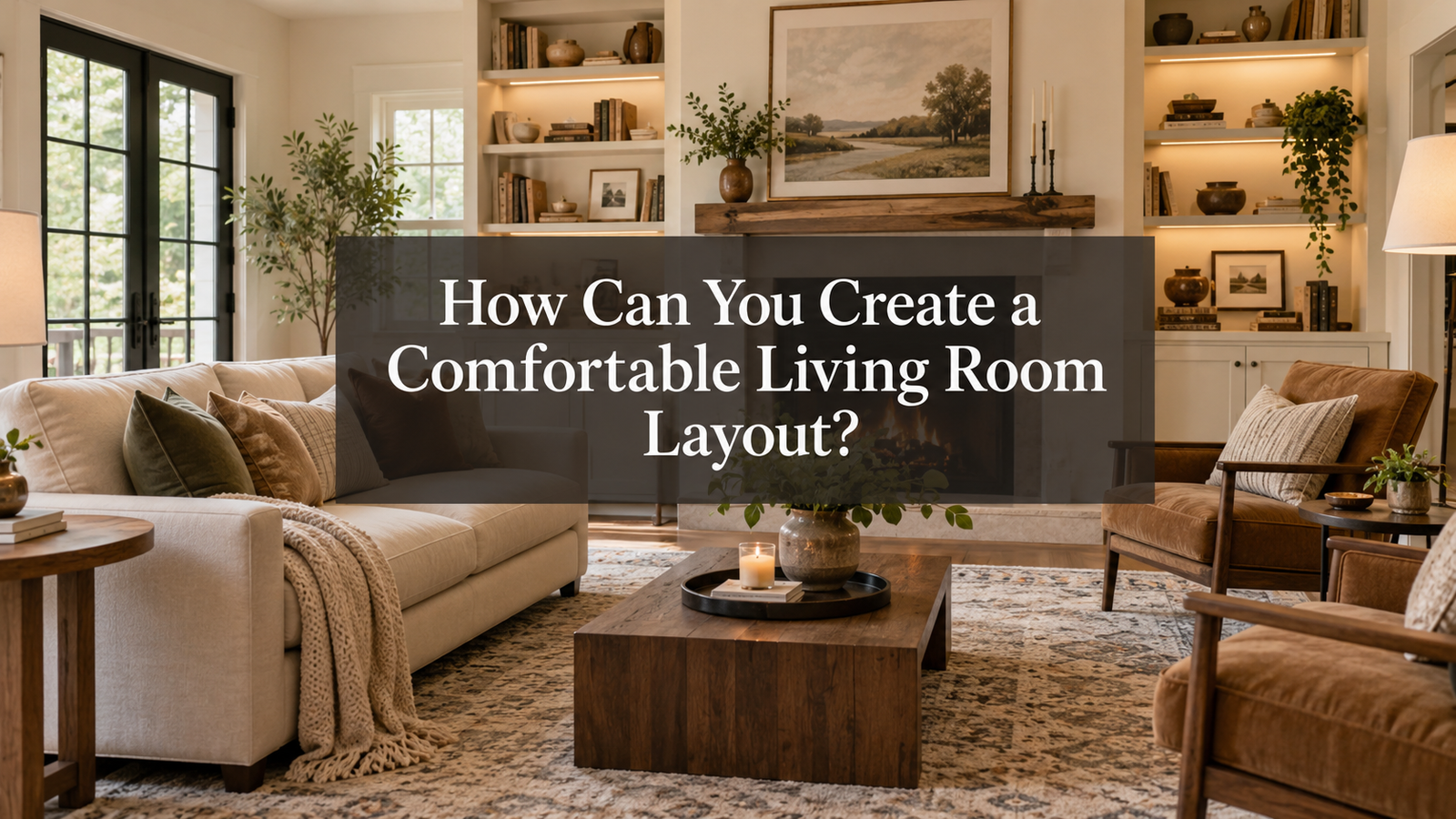
A living room is one of the most important spaces in a home. It is where family members spend time together, guests are welcomed, and people relax after a busy day. A comfortable living room layout can make everyday activities easier while creating a pleasant and inviting atmosphere.
Many homeowners focus on furniture, wall colors, and decorative accessories when designing their living rooms. However, the arrangement of these elements is equally important. Even expensive furniture may not provide comfort if the room feels crowded or movement is difficult.
Creating a comfortable living room layout does not always require a large budget or professional interior designer. With careful planning, suitable furniture, balanced lighting, and practical decoration, homeowners can transform an ordinary living room into a functional and relaxing space.
This guide explains how to create a comfortable living room layout by understanding available space, arranging furniture correctly, and making thoughtful design decisions.
1. Understand the Size and Shape of Your Living Room
The first step in creating a comfortable living room layout is understanding the available space. Every living room has a different size, shape, and architectural arrangement.
Some living rooms are square, while others are rectangular or connected to dining areas. The position of doors, windows, and walls also influences furniture placement.
Before arranging furniture, measure the length and width of the room. Record the locations of windows, electrical outlets, doors, and other permanent features.
These measurements help determine which furniture pieces can fit comfortably without making the room feel overcrowded.
For example, a small rectangular living room may look better with a compact sofa placed along a longer wall. A spacious square room may accommodate two sofas facing each other.
Understanding the room’s dimensions allows homeowners to make practical choices rather than purchasing furniture that does not fit properly.
2. Identify the Main Purpose of the Living Room
A comfortable living room layout should support the activities that take place in the space.
Some families primarily use their living rooms for watching television. Others prefer reading, entertaining visitors, spending time with children, or having conversations.
The purpose of the room should influence its layout.
For example, if television viewing is the main activity, sofas and chairs should face the television at a comfortable angle.
If the living room is mostly used for family gatherings, arranging seating around a central coffee table can encourage conversation.
Homes with young children may benefit from open floor space where children can play safely.
A multipurpose living room may need flexible furniture that can be moved when necessary.
By identifying everyday activities, homeowners can design a living room that matches their lifestyle instead of following decorative trends that may not suit their needs.
3. Choose a Suitable Focal Point
Every well arranged living room benefits from a focal point. This is the feature that naturally attracts attention when someone enters the room.
A focal point helps create visual balance and provides direction for furniture placement.
Common living room focal points include a television, fireplace, large window, decorative wall, or attractive artwork.
For example, if a room has a large window overlooking a garden, seating can be positioned to enjoy the outdoor view.
In another room, a television mounted on the main wall may become the central feature.
Homeowners should avoid creating too many competing focal points because this can make the room appear visually confusing.
Instead, select one main feature and arrange the remaining elements around it.
A clear focal point makes the living room layout feel organized and intentional.
4. Arrange Furniture for Easy Movement
One of the most important principles of comfortable living room design is allowing people to move freely.
Furniture should never create unnecessary obstacles between doors, seating areas, and frequently used parts of the room.
A useful approach is to identify the natural walking paths before placing large furniture pieces.
Major pathways should ideally provide approximately 90 centimeters of clear space where room dimensions allow.
Smaller spaces around furniture may require different clearances depending on how they are used.
Avoid placing coffee tables, chairs, or decorative stands directly in busy walking areas.
For example, a sofa positioned too close to the entrance may make the room feel restricted.
Similarly, placing several chairs around a small coffee table may leave little space for comfortable movement.
A practical furniture arrangement improves accessibility while making the room appear more spacious.
5. Select Furniture That Matches the Room Size
Furniture size has a major influence on living room comfort.
Large furniture can make a small room feel crowded, while very small furniture may look disconnected in a spacious living room.
Before purchasing a sofa, consider its length, depth, and relationship with other furniture pieces.
Compact sofas, lightweight chairs, and multifunctional furniture are often suitable for smaller rooms.
For larger living rooms, sectional sofas or multiple seating arrangements may provide better comfort.
Furniture should also match the number of people who regularly use the room.
A family of five may need more seating than a couple living in a small apartment.
However, adding too many chairs simply to increase seating capacity can reduce usable floor space.
The goal is to provide enough seating without sacrificing movement or visual balance.
6. Create a Comfortable Seating Arrangement
A comfortable seating arrangement encourages relaxation and social interaction.
Sofas and chairs should be positioned so people can communicate naturally without constantly turning their heads.
Facing sofas are particularly useful for conversation areas.
An L shaped sofa can work well in a corner and help define the seating zone.
For smaller rooms, one sofa combined with two compact chairs may provide a balanced arrangement.
Avoid placing every furniture piece directly against the walls unless the room’s dimensions require it.
In larger spaces, moving seating slightly away from the walls can create a more welcoming atmosphere.
The distance between chairs and sofas should also feel natural.
People should be able to speak comfortably without sitting too far apart.
A thoughtfully arranged seating area makes the room feel connected and inviting.
7. Maintain a Comfortable Distance Between Furniture
Proper spacing is essential for a functional living room layout.
A coffee table should be close enough to reach from the sofa without requiring uncomfortable stretching.
In many living rooms, a distance of approximately 35 to 45 centimeters between the sofa and coffee table works well.
However, the ideal distance depends on furniture dimensions and personal comfort.
Side tables should be positioned where people can easily place drinks, books, or small items.
Television placement also requires consideration.
The screen should be at a comfortable viewing height, and seating should be positioned according to the television size and viewing preferences.
A screen placed too high may create neck discomfort during extended viewing.
Testing furniture positions before finalizing the layout can help homeowners identify the most comfortable arrangement.
8. Use Lighting to Create a Relaxing Atmosphere
Lighting plays an important role in making a living room comfortable.
A room with insufficient lighting may feel dull, while excessively bright lighting can create an unpleasant atmosphere.
A balanced living room usually benefits from different types of lighting.
Natural daylight provides brightness during the day and can make the room appear larger.
Ceiling lights provide general illumination, while table lamps and floor lamps support activities such as reading.
Accent lighting can highlight artwork, shelves, or decorative wall features.
Warm lighting is often preferred for relaxing living rooms because it creates a softer atmosphere.
Homeowners should also consider the placement of lamps to avoid glare on television screens.
Combining natural and artificial lighting makes the living room more flexible throughout the day.
9. Choose Colors That Support Comfort
Wall colors and furniture shades influence how a living room feels.
Light colors such as cream, beige, soft gray, and off white can make smaller rooms appear brighter and more open.
Darker shades may create a cozy atmosphere when combined with appropriate lighting.
However, using too many strong colors can make the space feel visually busy.
A balanced color scheme usually includes one dominant color supported by complementary shades.
For example, cream walls can be combined with a gray sofa, wooden furniture, and green cushions.
Natural colors often work well because they create a calm appearance.
Homeowners can introduce brighter colors through cushions, curtains, rugs, and artwork without changing the entire room.
The best color combination is one that feels comfortable and suits the overall character of the home.
10. Add a Suitable Rug to Define the Seating Area
A rug can improve both the comfort and appearance of a living room.
It provides a softer surface underfoot and helps visually connect furniture pieces.
In an open living room, a rug can also define the seating area without requiring physical partitions.
Choosing the correct rug size is important.
A rug that is too small may make the furniture arrangement appear disconnected.
Ideally, the rug should extend beneath at least the front legs of the main seating furniture where space permits.
The material should suit the household’s lifestyle.
Families with children or pets may prefer durable rugs that are easy to clean.
Soft textures can add warmth, while simple patterns can complement modern interiors.
A suitable rug brings the entire seating arrangement together.
11. Include Practical Storage Solutions
Clutter can make even a beautifully decorated living room feel uncomfortable.
Remote controls, magazines, children’s toys, charging cables, and other everyday items can quickly occupy available surfaces.
Providing proper storage helps maintain an organized appearance.
Coffee tables with drawers, storage ottomans, wall shelves, and closed cabinets are useful options.
In smaller living rooms, multifunctional furniture can provide storage without occupying additional floor space.
For example, a storage ottoman may function as both an extra seat and a place for storing blankets.
Wall mounted shelves can display decorative items while keeping the floor clear.
Storage should be positioned where items are easy to access and return after use.
An organized living room creates a calmer atmosphere and makes daily cleaning easier.
12. Balance Decoration Without Overcrowding
Decorative items give a living room personality, but excessive decoration can reduce comfort.
Too many cushions, ornaments, small tables, and wall accessories may make the room appear cluttered.
Instead, select a few meaningful decorative elements that complement the furniture.
A large framed picture, attractive indoor plant, or decorative lamp can enhance the appearance of the room.
Cushions and throws can make sofas more comfortable while introducing texture and color.
Plants can also add a natural touch to the interior.
However, decorative items should not block walking paths or interfere with everyday activities.
Leaving some empty space is equally important because it allows furniture and architectural features to stand out.
Simple decoration often creates a more peaceful environment than excessive ornamentation.
13. Consider Ventilation and Indoor Comfort
A comfortable living room should provide more than attractive furniture.
Temperature, ventilation, and air circulation also affect the overall experience.
Windows should remain accessible so they can be opened when outdoor conditions allow.
Avoid positioning large furniture directly in front of windows if it prevents airflow or natural light.
Ceiling fans, appropriate cooling systems, and effective ventilation can help maintain comfortable indoor conditions.
Curtains or blinds can control sunlight and improve privacy.
During hot weather, suitable window coverings may reduce unwanted solar heat.
In colder seasons, rugs and soft furnishings can make the room feel warmer and more welcoming.
Creating a pleasant indoor environment allows family members to enjoy the living room throughout the year.
14. Make the Living Room Suitable for Everyone
A good living room layout should consider the needs of everyone living in the house.
Older family members may prefer supportive seating that is easy to enter and leave.
Children may require additional floor space and furniture with safer edges.
People with mobility difficulties benefit from wider pathways and fewer obstacles.
Frequently used items should remain within comfortable reach.
Heavy furniture should be stable, and electrical cables should be kept away from walking areas.
Glass tables with sharp corners may not be the best choice for households with very young children.
The arrangement should also be flexible enough to accommodate changing family needs.
A room that supports everyone in the household will remain useful for a longer period.
15. Review the Layout Before Making Final Decisions
Creating a comfortable living room layout often requires small adjustments.
A furniture arrangement that looks attractive on paper may feel different when used in everyday life.
Before buying additional furniture or permanently installing decorative features, test the proposed layout.
Sit on the sofa and check whether the television is easy to view.
Walk between furniture pieces to determine whether movement feels natural.
Consider whether side tables, lamps, and storage areas are conveniently located.
Observe how natural light enters the room at different times of the day.
Sometimes moving a chair, changing the position of a coffee table, or removing unnecessary furniture can significantly improve comfort.
These small adjustments help create a living room that feels practical rather than simply decorative.
Common Living Room Layout Mistakes to Avoid
Several common mistakes can affect the comfort and functionality of a living room.
One mistake is purchasing oversized furniture without measuring the room.
Another is arranging furniture in a way that blocks doors or creates narrow walking paths.
Some homeowners place all seating too far apart, making conversation difficult.
Others focus heavily on decoration while ignoring lighting, ventilation, and storage.
Using furniture that does not match the room’s proportions can also create an unbalanced appearance.
To avoid these problems, prioritize comfort, movement, and everyday activities before selecting decorative accessories.
A practical layout usually produces better long term results than a design based only on appearance.
Frequently Asked Questions
What is the best layout for a small living room?
A small living room usually benefits from compact furniture, clear walking paths, and a simple seating arrangement. A sofa along one wall, a suitable coffee table, and one or two lightweight chairs can provide comfort without overcrowding the space.
Should a sofa always be placed against the wall?
No. While placing a sofa against the wall can save space in smaller rooms, moving it away from the wall may improve balance and create a more inviting seating area in larger living rooms.
How can I make my living room feel more spacious?
Choose furniture that matches the room size, reduce unnecessary clutter, use suitable lighting, and maintain clear pathways. Light wall colors and carefully positioned mirrors can also create a greater sense of openness.
What is the most important element of a comfortable living room layout?
The most important element is functionality. Furniture, lighting, storage, and decoration should support daily activities while allowing people to move and relax comfortably.
Conclusion
Creating a comfortable living room layout requires thoughtful planning and attention to everyday needs. The best living rooms are not necessarily the largest or most expensive. They are spaces where furniture, lighting, colors, and decoration work together to support comfort and functionality.
Understanding the room’s dimensions, choosing appropriately sized furniture, creating a natural seating arrangement, and maintaining clear walking paths are important steps toward a successful design.
Practical storage, balanced lighting, suitable colors, and personal decorative touches can further improve the atmosphere.
Most importantly, the living room should reflect the needs and preferences of the people who use it. By making simple and thoughtful decisions, homeowners can create a welcoming space that remains comfortable, attractive, and practical for years to come.