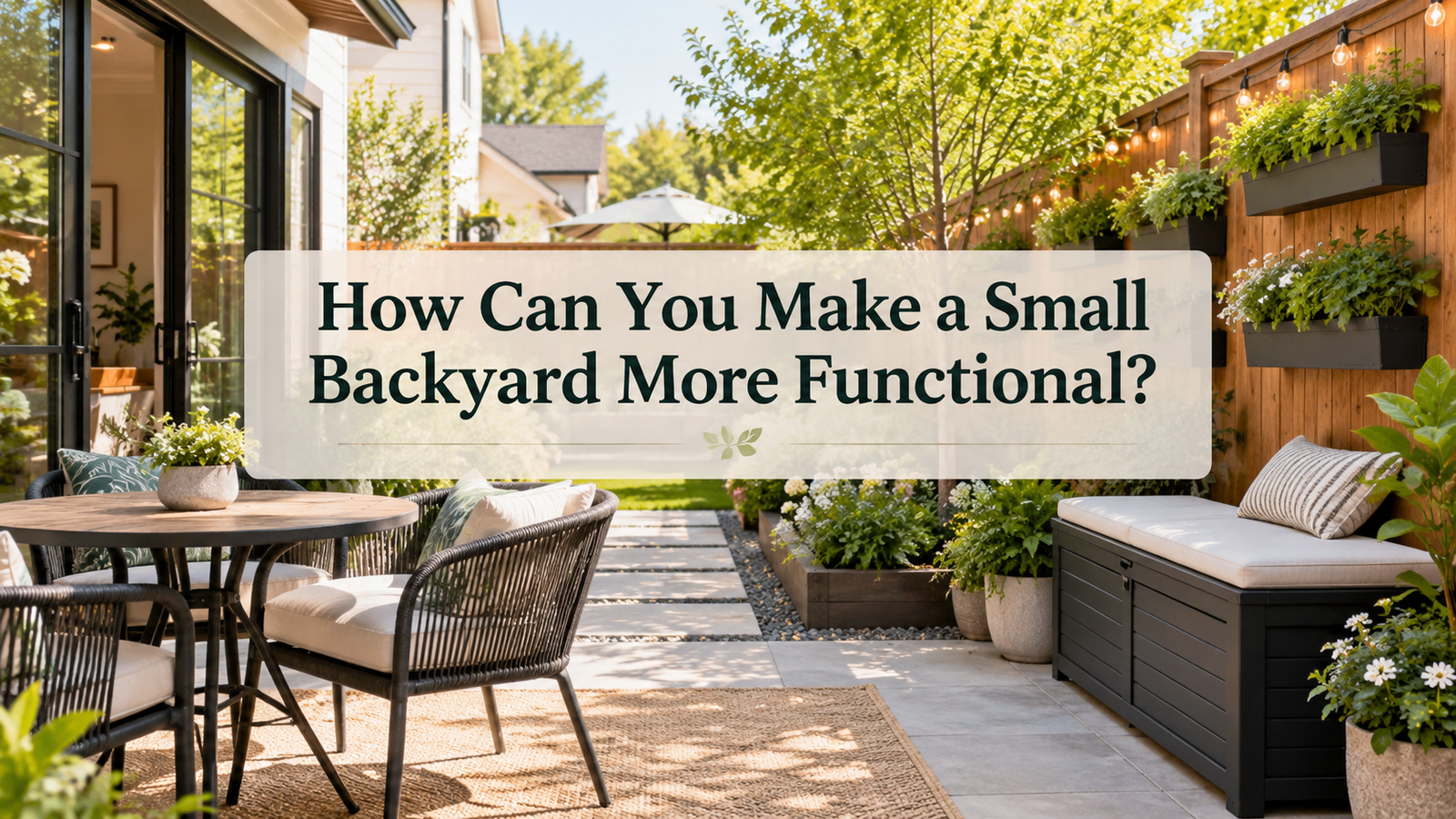
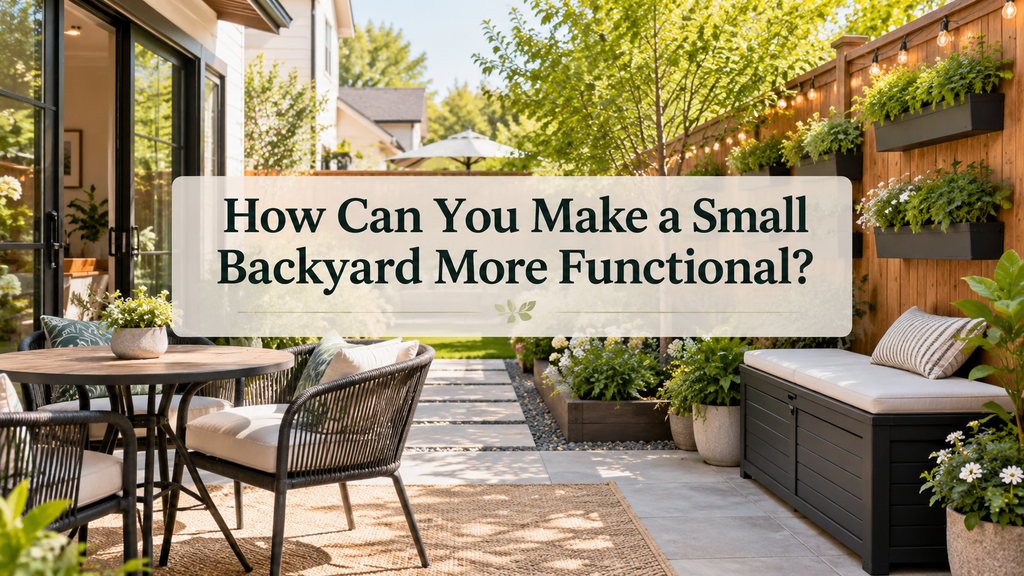
A small backyard can become one of the most useful and enjoyable parts of a home when it is planned carefully. Many homeowners believe that a beautiful outdoor space requires a large garden, expensive furniture, or professional landscaping. However, even a limited backyard can provide enough room for relaxation, gardening, family activities, and outdoor dining.
The secret to creating a functional small backyard is making thoughtful decisions about space, furniture, plants, and everyday needs. Instead of filling the area with unnecessary decorations, homeowners should focus on practical features that improve comfort and convenience.
A well organized backyard can serve several purposes without appearing crowded. With the right layout, suitable materials, and creative storage solutions, even a narrow outdoor area can feel comfortable and welcoming.
This guide explains how to make a small backyard more functional through simple backyard design ideas, practical landscaping techniques, and affordable improvements.
1. Understand the Available Backyard Space
Before making changes, it is important to understand the actual size and shape of the backyard. Every outdoor area has different advantages and limitations.
Start by measuring the available space. Notice the location of walls, fences, doors, trees, and existing structures. Also, observe how sunlight moves across the backyard throughout the day.
Some areas may receive strong sunlight during the afternoon, while others remain shaded. This information helps homeowners decide where to place seating, plants, and other outdoor features.
A simple sketch can make backyard planning easier. Mark the important features and identify areas that could serve different purposes.
For example, a sunny corner might be suitable for growing vegetables, while a shaded section could become a comfortable seating area.
Understanding the available space helps prevent unnecessary purchases and creates a more practical backyard layout.
2. Divide the Backyard Into Functional Areas
One of the best small backyard design ideas is to divide the space into different activity zones.
Even a compact backyard can support several activities when each section has a clear purpose.
A simple backyard layout might include a sitting area near the house, a small garden along the boundary wall, and an open space for movement.
The size of each section should depend on the needs of the household.
Families with children may prefer more open space for playing. People who enjoy gardening might dedicate a larger section to plants and flowers.
Homeowners who frequently entertain guests may benefit from a comfortable outdoor seating arrangement.
There is no need to construct permanent walls between these areas. Different flooring materials, plant containers, or furniture arrangements can create visual separation.
The goal is to make the backyard useful without creating unnecessary obstacles.
3. Choose Furniture That Saves Space
Furniture has a major influence on how functional a small backyard feels.
Large outdoor sofas and heavy dining tables can quickly occupy valuable space. Compact furniture is usually a better choice for smaller outdoor areas.
Folding chairs, lightweight tables, and stackable seating allow homeowners to adjust the arrangement whenever necessary.
A small round table can work well for morning tea or casual outdoor meals. When additional space is needed, the furniture can be moved or stored.
Benches are another practical option because they provide seating without requiring several separate chairs.
Furniture made from weather resistant materials is particularly useful for outdoor environments.
Choose pieces that are easy to clean and suitable for local weather conditions.
By selecting furniture carefully, homeowners can create a comfortable backyard seating area while maintaining enough room for walking and other activities.
4. Use Vertical Gardening to Save Ground Space
Vertical gardening is an excellent solution for homeowners who want greenery without sacrificing valuable floor space.
Instead of placing every plant directly on the ground, use walls, fences, shelves, and hanging containers.
Wall mounted planters can hold herbs, flowers, and small ornamental plants.
Hanging baskets also make an attractive addition to compact outdoor spaces.
A wooden trellis can support suitable climbing plants while adding privacy and natural beauty.
Vertical gardening works particularly well in narrow backyards where traditional garden beds would occupy too much space.
However, it is important to select plants according to sunlight, watering requirements, and container size.
Wall mounted structures should also be securely installed to support the weight of plants, soil, and water.
With proper planning, vertical gardening can transform an empty wall into a useful and attractive garden feature.
5. Create a Comfortable Outdoor Seating Area
A backyard becomes more functional when it provides a pleasant place to sit and relax.
Even a small corner can become an outdoor sitting area with a bench, two chairs, or a compact table.
Choose a location that offers privacy and comfortable weather conditions.
A shaded corner may be suitable for afternoon relaxation, while an area receiving gentle morning sunlight can provide a pleasant place to enjoy breakfast.
Outdoor cushions can make simple furniture more comfortable, provided they are suitable for outdoor use or stored during wet weather.
Adding a few potted plants around the seating area can create a natural atmosphere.
Avoid overcrowding the area with excessive furniture or decorations.
A simple seating arrangement often looks more attractive and remains easier to maintain.
The purpose is to create a peaceful outdoor space that encourages regular use.
6. Improve Privacy Without Closing the Space
Privacy is an important consideration in small backyard design, particularly in homes located close to neighboring properties.
A backyard may feel uncomfortable when surrounding buildings overlook the seating area.
Fortunately, several simple solutions can improve privacy without making the space appear smaller.
Tall potted plants can provide natural screening along boundary walls.
Climbing plants growing on a suitable trellis can also create a green privacy barrier.
Outdoor privacy screens are another option for separating specific areas.
Instead of covering the entire backyard with tall structures, focus on the sections where privacy matters most.
For example, placing a privacy screen beside the seating area may be more effective than enclosing every side.
Any new structure should be securely installed and comply with local requirements.
A balanced privacy arrangement helps maintain airflow, sunlight, and a comfortable outdoor atmosphere.
7. Add Smart Storage Solutions
Storage is often overlooked when homeowners plan a small backyard.
Gardening tools, watering cans, outdoor cushions, and children’s toys can make a limited space appear cluttered.
Smart storage solutions help keep these items organized.
A storage bench is particularly useful because it combines seating with a place to store smaller outdoor belongings.
Wall mounted shelves can hold lightweight gardening accessories.
Weather resistant storage boxes are another practical option for frequently used items.
Hooks installed on suitable walls can keep garden tools organized and accessible.
Before purchasing storage furniture, consider how often each item is used.
Frequently needed tools should remain easy to reach, while seasonal equipment can be stored elsewhere.
An organized backyard feels more spacious and makes everyday activities easier.
8. Select Plants That Suit Small Gardens
Plants bring color, texture, and natural beauty to outdoor spaces, but choosing the right varieties is essential.
Large trees and rapidly spreading shrubs may eventually occupy too much space in a compact backyard.
Smaller ornamental plants, herbs, and compact shrubs are often more suitable.
Container gardening allows homeowners to rearrange plants according to the season or changing requirements.
Flowers can provide attractive colors, while herbs such as mint, basil, and rosemary may offer practical value when grown under suitable conditions.
Plant selection should depend on local climate, sunlight, available soil, and maintenance requirements.
It is also important to consider mature plant size rather than judging plants only by their appearance at the nursery.
Choosing suitable plants reduces overcrowding and helps maintain a healthy garden.
A few carefully selected plants can create a more attractive landscape than a large collection placed without planning.
9. Make Backyard Pathways Simple and Practical
A clear walking route improves the functionality of any backyard.
Without a proper pathway, homeowners may repeatedly step on grass, disturb plants, or walk through muddy areas after rainfall.
Small backyard pathways do not need complicated designs.
Stepping stones, outdoor tiles, gravel, or suitable paving blocks can create practical walking surfaces.
The pathway should connect important areas, such as the back door, seating space, garden, and storage area.
Avoid unnecessarily winding paths in very narrow spaces because they can reduce usable ground area.
Choose materials that provide good traction, drain appropriately, and remain comfortable underfoot.
A well planned pathway also makes routine cleaning and garden maintenance easier.
Simple pathways can improve both the appearance and everyday usefulness of a small backyard.
10. Use Outdoor Lighting for Better Functionality
Outdoor lighting allows homeowners to enjoy their backyard after sunset.
It also makes walking routes, steps, and entrances easier to see.
Small outdoor spaces usually benefit from simple lighting arrangements rather than excessive bright fixtures.
Wall mounted lights can illuminate seating areas without occupying ground space.
Solar garden lights may work well along pathways where sufficient sunlight is available for charging.
Warm lighting can create a welcoming atmosphere during evening gatherings.
For areas used for cooking or other detailed activities, brighter task lighting may be necessary.
Choose lighting products designed for outdoor conditions and position them carefully to avoid glare.
Electrical fixtures should be installed according to appropriate safety requirements.
Thoughtful outdoor lighting improves comfort while making the backyard more practical during evening hours.
11. Choose Flooring That Is Easy to Maintain
Flooring plays an important role in backyard functionality.
The best material depends on climate, drainage, budget, and how the area will be used.
Outdoor tiles can provide a clean surface for seating and dining areas.
Paving blocks may be suitable for frequently used walking routes.
Gravel can work in certain garden sections, although it may be less comfortable for children or people who need a firm walking surface.
Natural grass creates a soft appearance but requires regular watering, mowing, and maintenance.
Homeowners can combine different materials to create a balanced outdoor design.
For example, a paved sitting area can be surrounded by small planting beds.
Proper drainage is essential, especially where rainwater might collect near the house.
Selecting suitable flooring helps reduce maintenance while improving the usability of the backyard.
12. Make Space for Outdoor Dining
Outdoor dining can make a small backyard more enjoyable for family members and guests.
A large dining arrangement is not necessary.
A compact table with folding chairs may be enough for occasional meals or evening tea.
Place the dining area close to the house when possible. This makes carrying food, dishes, and other supplies easier.
A shaded location can improve comfort during warm weather.
For backyards with limited space, a folding table attached to a suitable wall may offer an alternative to permanent dining furniture.
Make sure the arrangement leaves enough room for people to move safely.
A simple outdoor dining corner can increase the usefulness of the backyard without requiring major construction.
13. Keep the Backyard Easy to Maintain
A functional backyard should not require excessive time or money to maintain.
Complicated landscaping, too many delicate plants, and difficult flooring materials can create unnecessary work.
Choose plants that are suitable for the local environment and watering conditions.
Use mulch in planting beds where appropriate to help reduce moisture loss and limit weed growth.
Keep furniture arrangements simple so the ground remains easy to clean.
Regularly remove fallen leaves, broken containers, and unused objects.
Check drainage outlets and avoid allowing water to collect in containers.
Simple maintenance habits help preserve the appearance and safety of outdoor spaces.
A backyard that is easy to care for is more likely to remain useful throughout the year.
14. Make the Backyard Suitable for Family Activities
The most functional backyard is one that supports the everyday lifestyle of its users.
Families with young children may need a clear area for safe outdoor play.
A small patch of grass or another suitable play surface can provide room for simple activities.
Homeowners who enjoy reading might prefer a quiet chair surrounded by plants.
People interested in gardening can use raised beds or containers to grow seasonal vegetables.
For households with pets, consider secure boundaries, shade, drinking water, and plants that are not toxic to their animals.
Avoid adding permanent features that prevent the space from being used for other purposes.
Flexible backyard design makes it easier to adapt the area as family needs change.
15. Improve the Backyard Without Spending Too Much
Making a small backyard more functional does not always require a large budget.
Many useful improvements can be completed gradually.
Start by cleaning the area and removing unnecessary objects.
Rearrange existing furniture before purchasing new items.
Unused plant containers can sometimes be cleaned and reused.
Simple garden borders can help organize planting areas without expensive landscaping work.
Instead of renovating the entire backyard at once, focus on improvements that solve immediate problems.
For example, if the area becomes uncomfortable during hot afternoons, adding suitable shade may be more valuable than purchasing decorative items.
If tools and toys are creating clutter, improving storage should be a priority.
Spending money according to actual needs helps homeowners achieve better results with a limited budget.
16. Use Light Colors and Simple Designs
Color and visual organization can influence how spacious a backyard appears.
Light colored walls, furniture, and flooring can create a brighter atmosphere.
Neutral shades such as beige, cream, light gray, and soft earthy colors work well with natural greenery.
However, very bright surfaces may cause glare under strong sunlight, so finishes should be selected carefully.
Keeping the overall design simple also reduces visual clutter.
Avoid mixing too many decorative styles or filling every corner with accessories.
A consistent selection of materials and colors can make the backyard appear more organized.
Plants, furniture, and flooring should complement one another rather than compete for attention.
A clean and balanced design creates an inviting outdoor environment.
17. Plan for Different Seasons
A useful backyard should remain practical during different seasons.
Summer heat, winter temperatures, rainfall, and changing sunlight can affect how often the space is used.
Portable shade umbrellas or suitable covered seating areas can improve comfort during sunny weather.
Weather resistant furniture helps reduce damage caused by outdoor exposure.
Plants should be selected according to seasonal growing conditions.
In rainy climates, proper drainage and slip resistant flooring are especially important.
During colder months, removable cushions and lightweight furniture can be stored more easily.
Seasonal planning allows homeowners to protect their outdoor investments and enjoy the backyard more frequently.
Common Mistakes to Avoid in Small Backyard Design
Several common mistakes can make a small outdoor space less functional.
One mistake is purchasing oversized furniture before measuring the available area.
Another is placing too many plants in narrow spaces, leaving little room for movement.
Ignoring drainage can lead to standing water and damage to outdoor surfaces.
Poor lighting may make pathways inconvenient after sunset.
Homeowners should also avoid choosing materials only for appearance without considering durability and maintenance.
A successful small backyard design balances visual appeal with practical everyday requirements.
Frequently Asked Questions
What is the best way to make a small backyard look bigger?
Use compact furniture, simple landscaping, light colors, and vertical gardening. Keeping the central area relatively open can also make the backyard feel more spacious.
How can I make a small backyard functional on a budget?
Begin with cleaning, organizing, and rearranging existing items. Add affordable planters, simple seating, practical storage, and basic pathway improvements according to your needs.
What furniture works best in a small backyard?
Folding chairs, compact tables, storage benches, and stackable furniture are useful because they provide comfort without permanently occupying too much space.
Can a small backyard include both a garden and seating area?
Yes. Container gardening, vertical planters, and narrow planting beds can leave enough room for a compact seating arrangement.
How can I reduce maintenance in a small backyard?
Choose climate appropriate plants, durable outdoor materials, simple landscaping, and organized storage. Regular cleaning and proper drainage also help reduce maintenance problems.
Conclusion
Making a small backyard more functional is mainly about using the available space wisely. A limited outdoor area can become a comfortable extension of the home when every feature serves a clear purpose.
Careful planning, compact furniture, vertical gardening, practical storage, suitable flooring, and thoughtful lighting can make a noticeable difference.
Homeowners do not need to invest in expensive landscaping projects to achieve meaningful improvements. Simple changes, completed gradually, can create a more organized and enjoyable outdoor environment.
The most important step is to design the backyard around daily activities and personal needs rather than copying features intended for larger gardens.
A well planned small backyard can offer relaxation, greenery, outdoor dining, and family enjoyment while remaining easy to maintain. With practical choices and a little creativity, even the smallest backyard can become a valuable and functional part of the home.