A comfortable home is not always about expensive furniture, beautiful decorations, or modern interior design. Sometimes, the biggest improvement comes from removing unnecessary items and creating more open space. When a home contains too many things, even a large room can feel crowded and uncomfortable. This is why decluttering is an important part of maintaining a peaceful, organized, and welcoming living environment.
Decluttering means removing items that are no longer useful, needed, or meaningful. It does not mean throwing away everything or making a home look empty. Instead, it focuses on keeping belongings that serve a purpose while reducing unnecessary clutter.
A clean and organized home can make everyday activities easier. It also allows people to enjoy their living spaces without constantly dealing with misplaced objects or crowded surfaces.
Understanding why decluttering is important for a comfortable home can help homeowners develop better organizational habits and create a more pleasant environment for their families.
What Is Decluttering and Why Does It Matter?
Decluttering is the process of reviewing household belongings and deciding which items should stay, which can be donated, and which should be removed.
Over time, most homes collect unnecessary objects. Old clothes, unused kitchen tools, broken electronics, outdated magazines, and extra decorations gradually occupy valuable space.
These items may seem harmless individually, but together they can make rooms feel smaller and more difficult to manage.
Regular decluttering helps prevent this problem.
It allows homeowners to focus on the belongings they actually use while creating more space for comfortable daily living.
A well organized home does not need to contain fewer possessions than every other home. It simply needs a practical arrangement that supports the lifestyle of the people living there.
1. Decluttering Makes Your Home Feel More Spacious
One of the most noticeable benefits of decluttering is the additional space it creates.
When furniture, shelves, tables, and floors are covered with unnecessary belongings, rooms often appear smaller than their actual size.
Removing extra items creates visual openness and improves movement throughout the home.
For example, a small living room may feel crowded when it contains too many chairs, decorative tables, and storage baskets.
Removing furniture that serves little purpose can make the same room feel more comfortable.
The same principle applies to bedrooms, kitchens, and hallways.
Clear walking areas and organized surfaces help create a sense of space without requiring expensive renovations.
This is particularly useful for apartments and small homes where every available area matters.
2. A Clutter Free Home Creates a Peaceful Environment
The appearance of a room can influence how comfortable people feel inside it.
When belongings are scattered across tables, beds, and floors, the environment may feel distracting or overwhelming.
A clutter free home provides a calmer visual experience.
Clean surfaces, organized shelves, and open spaces allow the eyes to rest without constantly noticing unnecessary objects.
For example, a bedroom with neatly arranged furniture and limited decorations often feels more relaxing than one filled with clothes, boxes, and random household items.
However, comfort is personal. Some people enjoy decorative collections and colorful interiors.
The goal of decluttering is not to remove personality from a home. It is to reduce unwanted clutter while keeping the features that make the space enjoyable.
3. Decluttering Makes Daily Cleaning Easier
Cleaning becomes more difficult when every surface contains numerous objects.
Before wiping a table or cleaning a shelf, homeowners may need to move several items out of the way.
This increases the time and effort required for routine cleaning.
Decluttering simplifies the process.
When unnecessary belongings are removed, surfaces become easier to dust, wipe, and maintain.
Floors are also easier to sweep or vacuum when they are free from scattered objects.
For example, keeping only regularly used items on kitchen countertops makes cleaning after cooking much simpler.
Similarly, reducing decorative objects on shelves can make dusting less time consuming.
A more organized home encourages regular cleaning because the process feels manageable.
4. It Helps Reduce Everyday Stress
Searching for misplaced belongings can become frustrating, especially during busy mornings.
Keys, important documents, mobile chargers, and other everyday objects are easier to lose when they do not have dedicated storage places.
Decluttering helps reduce this problem by making belongings easier to locate.
When homeowners know where their things are stored, they can complete daily tasks with fewer interruptions.
An organized environment may also reduce the feeling that household chores are constantly unfinished.
For example, returning home after work to a reasonably tidy living room can feel more welcoming than facing piles of scattered belongings.
Decluttering cannot remove every source of stress, but it can eliminate some unnecessary household frustrations.
5. Decluttering Improves Home Organization
Decluttering and home organization work together.
It is difficult to organize a large collection of unnecessary belongings because storage space is limited.
Removing unused items creates more room for belongings that matter.
Once excess clutter is reduced, homeowners can arrange household essentials according to how frequently they are used.
Everyday objects should remain easy to access, while seasonal or occasionally used items can be stored separately.
For example, kitchen utensils used daily should be placed in convenient drawers.
Special cooking equipment may be stored in upper cabinets.
This simple approach saves time and makes the kitchen more practical.
Good home organization becomes easier when storage areas contain only what they can comfortably hold.
6. A Decluttered Bedroom Supports Better Rest
Bedrooms should provide a comfortable environment for sleeping and relaxation.
However, many bedrooms gradually become storage areas for clothes, bags, paperwork, and unused household items.
When these belongings accumulate, the bedroom may feel crowded.
Decluttering helps restore its main purpose.
Start by keeping the bedside table simple. A lamp, clock, book, or other essential item may be enough.
Remove unnecessary objects from the bed and surrounding floor.
Organize clothing inside wardrobes and drawers rather than leaving it on chairs.
Avoid storing large numbers of unrelated items under the bed unless suitable storage space is available.
A tidy bedroom can contribute to a more relaxing bedtime routine, although sleep quality also depends on factors such as noise, temperature, lighting, and personal habits.

7. Decluttering Helps You Find Things Quickly
One practical reason to declutter your home is to make everyday belongings easier to find.
When drawers and cabinets are overcrowded, even simple tasks can take longer.
A homeowner may spend several minutes searching for scissors, batteries, documents, or kitchen utensils.
Organized storage reduces this inconvenience.
Each commonly used item should have a suitable location.
For example, important household papers can be kept together in labeled folders.
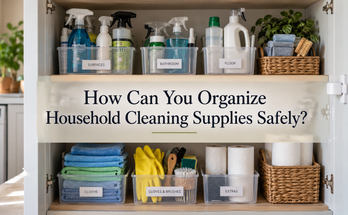
Cleaning supplies can be stored in a designated cabinet, safely away from children.
Tools and small accessories can be arranged in separate containers.
When everything has a consistent place, household members can find and return belongings more easily.
8. Decluttering Can Help Save Money
An organized home may also support better spending habits.
People sometimes purchase items they already own because they cannot find them.
This commonly happens with kitchen accessories, stationery, clothing, and household cleaning products.
Decluttering makes existing belongings more visible.
Before buying something new, homeowners can check whether a similar item is already available.
It also becomes easier to identify products that are rarely used.
For example, finding several unused storage containers may show that purchasing more containers is unnecessary.
Decluttering can encourage thoughtful shopping decisions and reduce unnecessary household expenses.
The purpose is not to avoid buying useful products. It is to make purchases based on actual needs rather than forgotten possessions.
9. It Makes Small Homes More Functional
Decluttering is particularly valuable in homes with limited storage space.
Small rooms can quickly become uncomfortable when belongings occupy floors, countertops, and walking areas.
Removing unnecessary objects allows homeowners to use available space more effectively.
In a small kitchen, keeping countertops clear creates additional room for preparing meals.
In a compact bedroom, organizing clothes and removing unused furniture can improve movement.
Wall shelves, drawer organizers, and storage boxes can help manage essential belongings.
However, storage products should not become an excuse to keep everything.
The first step should always be deciding which items genuinely deserve space in the home.
Afterward, suitable storage solutions can support a more functional arrangement.
10. Decluttering Can Improve Household Safety
Excess clutter can create practical safety concerns.
Objects left on stairs, floors, and narrow walkways may increase the risk of trips and falls.
Crowded areas may also make it harder to move quickly during an emergency.
Decluttering helps maintain clear pathways throughout the home.
Electrical equipment should have adequate ventilation, and cables should be arranged safely rather than buried beneath piles of belongings.
Stoves, heaters, and electrical panels should also remain free from stored materials.
In homes with young children, small objects and potentially dangerous items should be kept in appropriate locations.
A decluttered home is not automatically free from hazards, but removing unnecessary obstacles is a useful step toward a safer environment.
11. An Organized Home Feels More Welcoming
A welcoming home does not need luxury furniture or expensive decorations.
Comfort often comes from cleanliness, thoughtful arrangements, and enough space for people to move and relax.
When guests enter a tidy living room, they can sit comfortably without needing to move scattered belongings.
Dining areas become more inviting when tables are available for meals rather than covered with unrelated objects.
Decluttering also allows decorative pieces to stand out.
A beautiful painting, family photograph, or indoor plant may become more noticeable when surrounded by fewer competing items.
This creates a balanced appearance while preserving the personality of the home.
12. Decluttering Encourages Better Household Habits
Decluttering becomes more effective when it is treated as a regular habit rather than an occasional major project.
Without consistent organization, unwanted belongings can accumulate again.
Simple routines help maintain progress.
Returning objects to their proper locations after use is one useful habit.
Another is reviewing wardrobes, kitchen drawers, and storage cabinets periodically.
Family members can also participate by taking responsibility for their own belongings.
Children may learn to organize toys, school supplies, and books according to their age and abilities.
Over time, these habits can make household maintenance easier and prevent clutter from becoming overwhelming.
How Can You Start Decluttering Your Home?
Starting a decluttering project does not require organizing the entire house in one day.
A gradual approach is often easier to maintain.
Choose a small area, such as a drawer, shelf, bedside table, or kitchen cabinet.
Remove the items and examine them individually.
Consider whether each object is useful, regularly needed, or personally meaningful.
Keep items that serve a clear purpose.
Set aside usable belongings for donation or reuse. Recycle suitable materials where local facilities accept them, and dispose of damaged items responsibly.
After sorting, clean the storage area before returning the selected belongings.
Arrange frequently used objects where they are easy to reach.
Continue with another small area when convenient.
This approach can prevent exhaustion and make the process more manageable.
Common Decluttering Mistakes to Avoid
Decluttering is helpful, but certain mistakes can make it less effective.
One common mistake is attempting to organize the entire home at once.
Large projects can become tiring and may remain unfinished.
Another mistake is purchasing storage boxes before deciding which belongings to keep.
This can create additional clutter rather than solve the original problem.
Some homeowners also remove too many items without considering their practical or sentimental value.
Decluttering should involve thoughtful decisions, not unnecessary disposal.
Keeping a reasonable number of meaningful possessions is perfectly acceptable.
Finally, organizing once and ignoring the space afterward can lead to clutter returning.
Regular maintenance is necessary for lasting results.
How Often Should You Declutter Your Home?
There is no fixed schedule that works for every household.
The ideal frequency depends on family size, available storage, shopping habits, and daily activities.
Frequently used areas such as kitchen countertops, dining tables, and entryways may benefit from a quick daily check.
Wardrobes, drawers, and bathroom cabinets can be reviewed monthly or whenever they begin to feel crowded.
Seasonal changes also provide useful opportunities to examine clothing, decorations, and household equipment.
The most effective approach is to declutter before storage spaces become difficult to manage.
Small, consistent efforts are usually easier than repeatedly completing major cleaning projects.
Frequently Asked Questions
Why is decluttering important for mental comfort?
Decluttering can reduce visual distractions and make everyday belongings easier to manage. Some people find that a more organized environment helps them feel calmer and more comfortable at home.
Can decluttering make a small house look bigger?
Yes. Removing unnecessary furniture, clearing floors, and organizing visible surfaces can make rooms appear more spacious without changing their physical dimensions.
What should I declutter first?
Begin with a small, manageable area that affects your daily routine. A bedside table, kitchen countertop, or frequently used drawer is often a good starting point.
Does decluttering mean getting rid of sentimental items?
No. Meaningful possessions can remain part of a comfortable home. The goal is to remove unwanted clutter while finding suitable places for belongings that matter.
What is the difference between decluttering and cleaning?
Decluttering involves deciding what to keep and removing unnecessary belongings. Cleaning involves removing dust, dirt, stains, and other unwanted substances. Both activities support a comfortable home.
Conclusion
Decluttering is important for a comfortable home because it creates more usable space, simplifies cleaning, improves organization, and reduces everyday household frustrations.
A clutter free home can feel more open, peaceful, and welcoming without requiring expensive furniture or major renovations.
The greatest benefit comes from making thoughtful decisions about what belongs in each room.
Instead of trying to create a perfectly empty home, focus on building a living environment that supports daily needs and personal comfort.
By removing unnecessary belongings, organizing useful items, and developing simple maintenance habits, homeowners can create a pleasant space that remains practical and enjoyable.